
Hard Water in Harlem, GA: How It Impacts Your Plumbing and What Homeowners Can Do
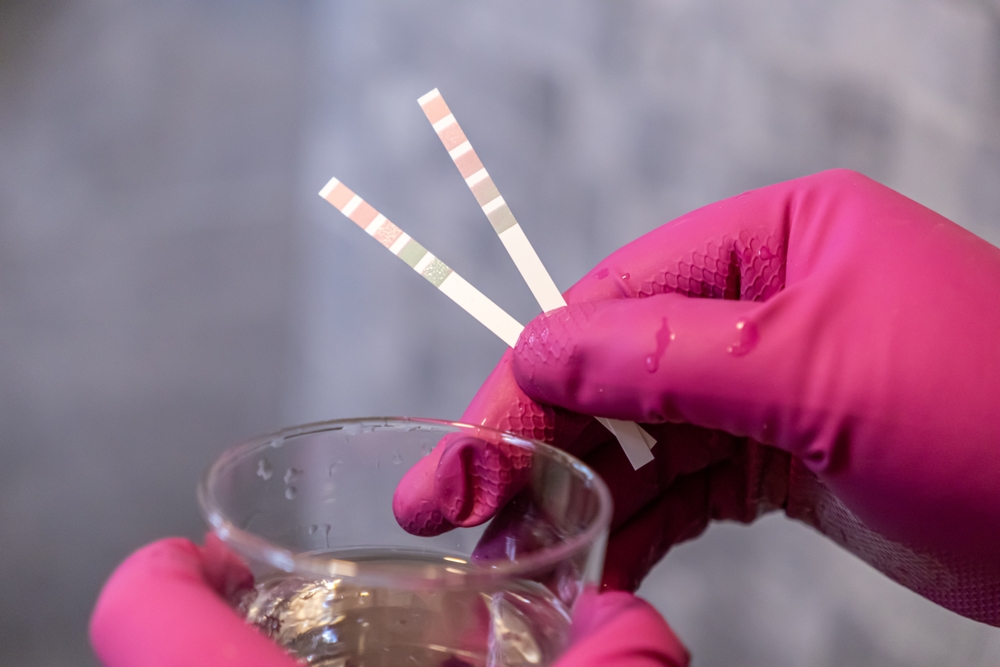
Hard water is a common issue affecting many parts of the United States, and Harlem, GA is no exception. The term “hard water” refers to water that contains high concentrations of minerals, particularly calcium and magnesium. While these minerals are not harmful to human health, they can wreak havoc on household plumbing systems and appliances over time.
In Harlem, GA and the surrounding Columbia County region, many residents draw water from municipal sources or private wells that naturally contain these dissolved minerals. The level of hardness can vary depending on the water source, local geology, and treatment processes used. Unfortunately, residents often notice the effects of hard water before they even learn about its presence. These signs include soap scum in bathtubs, spots on dishes, dingy laundry, and reduced water pressure.
Local water quality reports for Columbia County have noted the prevalence of mineral-rich groundwater, which contributes to hard water in both rural and suburban neighborhoods. For homeowners, understanding the nature of hard water and how it impacts daily life is the first step toward preventing long-term damage and costly repairs.
How Hard Water Affects Plumbing Systems
Plumbing problems caused by hard water are among the most frustrating issues homeowners face. One of the primary concerns is the formation of scale buildup in pipes. As hard water flows through household plumbing, the minerals it carries can gradually deposit along the inner walls of pipes, fixtures, and appliances. Over time, this buildup, also known as limescale, restricts water flow and increases pressure within the system.
In Georgia homes, scale buildup in pipes is particularly common in older plumbing systems made from galvanized steel or copper. These materials provide a rough surface that encourages mineral deposits to cling and accumulate. As the deposits grow thicker, they not only reduce the efficiency of plumbing but also lead to more frequent clogs and potential pipe corrosion.
Appliances like water heaters, dishwashers, and washing machines are also vulnerable to damage from hard water. Mineral deposits can form on heating elements, reducing efficiency and increasing energy consumption. In some cases, the scale buildup can lead to premature appliance failure. Faucets and showerheads may become clogged with white or chalky residue, reducing water pressure and requiring more frequent cleaning or replacement.
For Harlem residents, the cost of repairing or replacing plumbing components due to hard water damage can quickly add up. What starts as a small reduction in water flow can escalate into a full-blown plumbing emergency if left unaddressed.
Broader Water Quality Issues in Columbia County, GA
Water quality issues in Columbia County, GA go beyond just hard water. While mineral content is a leading concern, residents may also face problems related to sediment, iron, and even agricultural runoff in certain rural areas. These contaminants can further degrade water quality, compounding the issues caused by hardness and affecting both plumbing and personal health.
Municipal water supplies are generally treated to meet safety standards, but they may not eliminate all minerals responsible for water hardness. Similarly, well water users are often more vulnerable to fluctuating water quality due to seasonal changes or surrounding land use. In either case, testing your water regularly is crucial for identifying specific concerns and choosing the right treatment options.
Another key issue in Columbia County is the lack of widespread public awareness about hard water and its long-term effects. Many homeowners assume plumbing problems are just part of owning an older home, when in fact, hard water may be the underlying culprit. Educating residents about water quality can empower them to take preventive action before problems become too costly.
Long-Term Consequences of Scale Buildup in Georgia Homes
In Georgia, scale buildup in pipes is not just an inconvenience. It poses a significant threat to the long-term health of plumbing systems and water-using appliances. The impact of scale extends beyond reduced flow and inefficient heating. It can lead to increased water bills, more frequent plumbing maintenance, and even the need to replace major home systems years earlier than expected.
Water heaters, for instance, are especially vulnerable. As sediment and scale accumulate at the bottom of the tank, the heater has to work harder to produce the same amount of hot water. This extra workload not only uses more energy but also stresses the internal components. In tankless water heaters, scale buildup can interfere with sensors and block narrow flow passages, leading to overheating and system failure.
Scale buildup can also negatively impact water quality within the home. Deposits inside pipes may trap bacteria or lead to metallic tastes in the water. Faucets and fixtures may show visible corrosion or discoloration, which not only looks unsightly but can affect resale value.
For homeowners in Harlem, the cumulative effects of scale can quietly degrade property infrastructure without immediate signs. By the time issues are obvious, the damage is often widespread and expensive to fix. That is why proactive management of hard water is so important.
What Homeowners in Harlem Can Do About Hard Water
Fortunately, homeowners in Harlem, GA have several effective options for dealing with hard water and its side effects. The most common solution is installing a water softening system. Water softeners use a process called ion exchange to remove calcium and magnesium ions from the water, replacing them with sodium or potassium. This process significantly reduces hardness and helps protect plumbing and appliances.
For those on a budget or who prefer a less involved solution, point-of-use water treatment devices such as faucet-mounted filters or showerhead softeners can help minimize local scale issues. These devices are not as comprehensive as whole-house systems, but they can make a noticeable difference in daily water use.
Before investing in any treatment system, homeowners should have their water tested by a certified laboratory or through their local water utility. This testing will provide a clear picture of mineral levels and any other contaminants present. Armed with this information, it becomes easier to choose the right system based on household needs.
Regular maintenance is also key to managing hard water. Flushing your water heater annually can help remove sediment and extend its lifespan. Cleaning faucet aerators and showerheads periodically can keep water flow consistent. For those with water softeners, checking salt levels and replacing filters ensures the system runs efficiently.
For homes with private wells, additional filtration or reverse osmosis systems may be needed to handle specific contaminants that accompany hardness. Consulting with a water treatment professional can help ensure the solution matches the exact water quality profile of your home.
Conclusion
Hard water is a widespread issue in Harlem, GA that poses real challenges to plumbing systems, appliances, and daily living. Left untreated, it leads to scale buildup in pipes, appliance inefficiency, and long-term maintenance costs that burden homeowners. With water quality issues in Columbia County affecting both municipal and well systems, understanding and addressing hard water is essential for preserving property value and ensuring comfort at home.
By taking proactive steps such as testing water, investing in softening systems, and maintaining plumbing fixtures, Harlem residents can protect their homes from the hidden damage caused by mineral-rich water. Staying informed and vigilant about local water conditions will help homeowners save money, avoid frustration, and maintain a higher quality of life.
Need a Trusted Local Plumber Near You?
At Powell Plumbing, we take pride in being Harlem’s go-to plumbing team you can count on day or night. Whether it’s a burst pipe at 2 a.m., a stubborn drain clog, or installing a brand-new hot water heater, we’re here to deliver quality work with a personal touch. Led by Dylan Powell, our mission is simple: provide dependable service, build lasting relationships, and keep your home or business running smoothly. If you need a trusted plumber who will treat your property like our own, give us a call today — we’re ready to help 24/7!