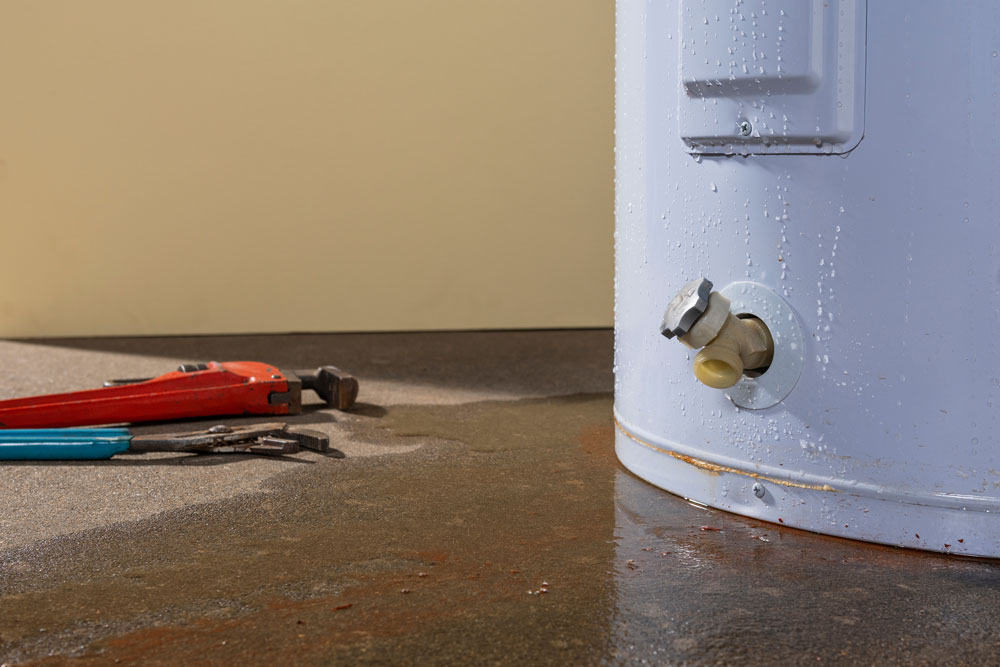
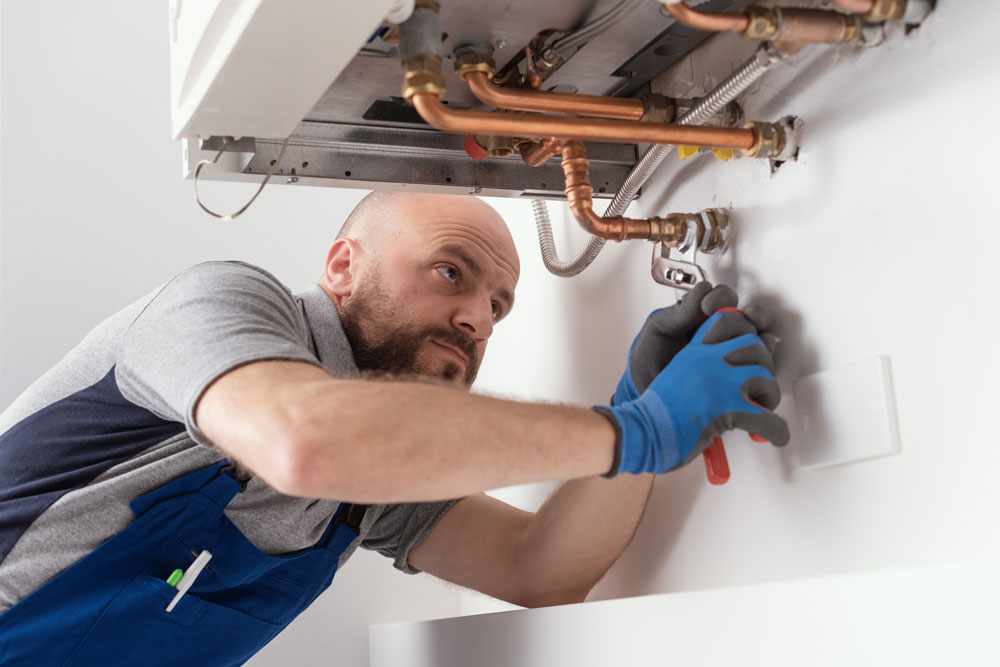
A small plumbing problem can become an expensive headache quickly, especially when a leak reaches flooring, cabinets, drywall, or other parts of a home. For homeowners in Harlem, GA, prevention starts with recognizing changes in the plumbing system early and knowing which maintenance tasks should not be postponed.
Quick answer: The best way to prevent costly plumbing repairs is to address leaks promptly, protect pipes during cold weather, avoid putting damaging materials down drains, monitor water pressure, maintain the water heater, and have unexplained plumbing changes inspected. Harlem homeowners should pay particular attention to outdoor plumbing, supply lines, drains, and pipes in less-protected areas of the home.
What local homeowners should know
Small leaks should be addressed before moisture has time to damage surrounding materials.
Outdoor faucets and exposed plumbing deserve extra attention before freezing temperatures reach Columbia County.
Slow drains, recurring clogs, and unusual plumbing noises can indicate problems deeper in the system.
Knowing where your home’s main water shutoff is located can limit damage during a plumbing emergency.
Homes throughout the Harlem and Grovetown area can have different plumbing materials and maintenance needs depending on their age and previous renovations.
Why Does Preventive Plumbing Maintenance Matter in Harlem?
Preventive plumbing maintenance matters in Harlem because small leaks, deteriorating components, drain problems, and weather-related pipe damage can become much more disruptive when they go unnoticed. Regular observation gives homeowners a chance to catch developing problems before water damage or a plumbing failure creates a larger repair.
Harlem sits in Columbia County, west of Augusta and near communities such as Grovetown and Appling. Local homes experience hot, humid summers along with occasional winter temperatures cold enough to make poorly protected plumbing a concern.
Moisture also deserves attention. A plumbing leak inside a cabinet, wall, crawl space, or other concealed location can continue damaging nearby building materials even when the amount of visible water seems minor.
At Powell Plumbing, we encourage homeowners to treat unusual plumbing behavior as useful information rather than waiting for a complete failure. A dripping fixture or recurring slow drain may seem manageable, but identifying its cause early can provide more repair options.
What Do We Commonly Look for During Preventive Plumbing Service?
Preventive plumbing service focuses on signs of leakage, deterioration, drainage trouble, fixture problems, and other conditions that could lead to future repairs. Because no property-specific inspection data was provided for this guide, these recommendations are professional maintenance observations rather than claims about every home in Harlem.
Areas worth monitoring include toilets, faucets, accessible supply connections, water heaters, exposed piping, outdoor faucets, and drains. Homeowners can perform simple visual checks for moisture, corrosion, staining, dripping, or changes in drainage.
The important part is consistency. A fixture that suddenly behaves differently from the way it did a month ago deserves attention.
How Can Plumbing Problems Affect Harlem Homes?
Plumbing problems can affect Harlem homes through water damage, higher water use, interrupted access to fixtures, and deterioration of surrounding materials. The longer an active leak or drainage problem continues, the greater the opportunity for a relatively contained plumbing issue to affect other parts of the property.
A leaking toilet connection can affect flooring. A pipe leak beneath a sink can damage cabinetry. A failed supply connection can release substantially more water than a slow drip.
That is why prevention is not simply about keeping pipes working. It is also about protecting the parts of the house located around them.
What Warning Signs Should Harlem Homeowners Watch For?
The most useful plumbing warning signs are unexplained water, changes in water pressure, recurring drain problems, unusual sounds, stains, odors, and unexpectedly high water use. Harlem homeowners who notice a new or worsening plumbing symptom should investigate rather than assuming it will resolve on its own.
Watch for:
Water collecting beneath sinks, toilets, appliances, or plumbing fixtures.
Faucets or showerheads that continue dripping after being shut off.
Drains that repeatedly slow down or clog after being cleared.
Toilets that run frequently or behave differently than usual.
Water stains or damp areas on walls, ceilings, cabinets, or flooring.
Sudden or unexplained changes in water pressure.
Banging, gurgling, or other plumbing noises that are new to the home.
A water bill increase that cannot be explained by normal household use.
One symptom does not always reveal the cause. Repeated or worsening symptoms are a stronger reason to arrange an inspection.
When Should You Call a Plumber?
You should call a plumber when a leak cannot be safely isolated, a drain problem keeps returning, water pressure changes unexpectedly, a water heater shows signs of trouble, or you suspect a concealed plumbing problem. Active water release or sewage backup requires more immediate attention than routine maintenance concerns.
Homeowners can safely perform basic checks such as looking beneath sinks, checking around toilets for visible moisture, and keeping drains free of obvious debris.
DIY work should stop when repairs require opening plumbing systems, diagnosing concealed leaks, working around water-heating equipment, or addressing a sewer or main-line problem. Incorrect repairs can create additional leaks or hide the original problem temporarily.
What Common Conditions Can Lead to Plumbing Repairs?
Common plumbing repair causes include neglected leaks, drain misuse, aging components, pressure problems, outdoor exposure, and deferred maintenance. In Harlem and the surrounding Columbia County area, seasonal temperature changes and the condition of individual homes can influence which problems appear first.
1. Unaddressed leaks: A minor drip may indicate a worn or failing plumbing component. Waiting can allow both water loss and property damage to continue.
2. Drain misuse: Grease, excessive food waste, hair, wipes, and other unsuitable materials can contribute to stubborn drain problems.
3. Aging plumbing components: Supply lines, valves, seals, fixtures, and piping do not remain in the same condition forever. Older Harlem properties may benefit from closer monitoring of accessible plumbing.
4. Cold-weather exposure: Georgia winters are milder than those farther north, but freezing conditions can still threaten pipes in exposed or insufficiently protected areas.
5. Water-pressure issues: Pressure that is outside the appropriate range for a home’s plumbing system can contribute to poor performance or unnecessary stress on components.
How Can Harlem Homeowners Prevent Major Plumbing Problems?
Harlem homeowners can prevent many plumbing problems by inspecting accessible plumbing regularly, treating drains carefully, preparing exposed pipes for cold weather, and responding quickly when something changes. A simple seasonal routine is often more practical than waiting until a fixture stops working.
Check beneath sinks and around toilets periodically for moisture. Look at accessible supply connections for corrosion, bulging, dripping, or other deterioration. Keep an eye on the area around the water heater for moisture or visible changes.
Before colder weather reaches the CSRA, inspect outdoor faucets and plumbing in vulnerable areas. Take appropriate steps to protect plumbing that may be exposed to freezing temperatures.
In the kitchen, keep grease and inappropriate waste out of drains. In bathrooms, use drain screens where helpful and remove accessible hair and debris before a slow drain becomes a recurring clog.
Homeowners should also locate the main water shutoff before an emergency occurs. Knowing how to stop the water can be valuable if a pipe or supply connection suddenly fails.
What Results Can You Expect From Preventive Plumbing Maintenance?
Preventive maintenance can help identify developing plumbing problems earlier and reduce the likelihood that minor issues will remain unnoticed until they become more disruptive. It cannot prevent every failure, but it gives Harlem homeowners better opportunities to repair worn or malfunctioning components before secondary damage occurs.
An inspection may reveal that a simple repair is appropriate, or it may identify an issue that deserves additional diagnosis. The result depends on the condition, age, and configuration of the individual plumbing system.
What Plumbing Maintenance Mistakes Should You Avoid?
The biggest plumbing maintenance mistakes are ignoring recurring symptoms, relying repeatedly on temporary fixes, misusing drains, and waiting for visible damage before investigating a problem. A better approach is to treat changes in plumbing performance as early warning signs.
Mistake: Repeatedly clearing the same slow drain without determining why it keeps clogging. Consequence: A deeper drainage problem may remain unresolved. Better approach: Have a recurring blockage properly evaluated.
Mistake: Ignoring a small leak because the water can be wiped away. Consequence: Moisture can continue reaching cabinets, flooring, or other materials. Better approach: Identify and repair the source.
Mistake: Waiting until freezing weather arrives to think about outdoor plumbing. Consequence: Vulnerable pipes may not be adequately protected. Better approach: Make cold-weather plumbing checks part of fall maintenance in Columbia County.
What Is a Common Plumbing Scenario in a Harlem Home?
A common local scenario is a homeowner noticing a small amount of moisture beneath a sink and assuming it is harmless because the fixture still works normally. This is an illustrative scenario, not a Powell Plumbing case study or a claim about a specific Harlem property.
The homeowner wipes up the water, but it returns. Eventually, the cabinet material begins showing signs of repeated moisture exposure.
The better response is to investigate where the water originates as soon as repeated moisture becomes apparent. Addressing the plumbing source early can help limit the amount of surrounding material affected.
Which Plumbing Services Can Help Prevent Bigger Repairs?
Professional inspections, leak repairs, drain services, fixture repairs, water-heater services, and appropriate pipe repairs can address problems before they develop into larger plumbing failures. The right service depends on the symptoms and what an inspection reveals.
We can help determine whether a recurring plumbing issue needs a straightforward repair or more detailed diagnosis. The goal is to solve the underlying problem instead of repeatedly addressing the symptom.
Should You DIY a Plumbing Repair or Call a Professional?
DIY monitoring works well for basic observation and simple household maintenance, while professional service is appropriate for active leaks, recurring problems, concealed plumbing, water heaters, and repairs requiring plumbing components to be disconnected or replaced. The safest choice depends on both the repair and the homeowner’s experience.
Checking for moisture, cleaning accessible drain debris, and locating a shutoff valve are reasonable homeowner tasks. Diagnosing a hidden leak or repeatedly blocked drain is different because the visible symptom may not identify the actual source.
For Harlem property owners, early professional diagnosis can also make planning easier when a problem is not yet an emergency.
What Areas Can This Plumbing Guidance Apply To?
This plumbing guidance is intended for homeowners in Harlem and nearby parts of Columbia County, including the broader Grovetown and Appling area. Homes closer to Augusta or elsewhere in the CSRA can face similar seasonal plumbing concerns, although every property’s plumbing configuration and condition are different.
Local maintenance should always account for the home’s age, pipe locations, fixtures, and previous plumbing work.
What Can Happen If You Ignore a Plumbing Problem?
Ignoring a plumbing problem can allow a manageable repair to develop into water damage, a larger blockage, fixture failure, or an unexpected loss of plumbing service. The exact outcome varies, but waiting rarely makes an active leak or recurring drainage problem easier to diagnose.
Harlem homeowners do not need to treat every drip as an emergency. They should, however, distinguish between something they are monitoring and a symptom that repeatedly returns or becomes worse.
Frequently Asked Questions About Preventing Plumbing Repairs in Harlem
How often should Harlem homeowners check for plumbing leaks?
Harlem homeowners should make quick visual leak checks part of routine home maintenance and inspect vulnerable plumbing whenever they notice a change. Look beneath sinks, around toilets, near accessible supply connections, and around the water heater. Seasonal checks are also useful before cold weather or periods when you will be away from home.
Do pipes freeze in Harlem, GA?
Pipes can freeze in Harlem when temperatures fall low enough and plumbing is inadequately protected from the cold. Outdoor faucets and pipes in exposed or poorly insulated areas deserve particular attention. Preparing vulnerable plumbing before a freeze is preferable to discovering a problem after temperatures have already dropped.
Is a slow drain always a serious plumbing problem?
A slow drain is not always a serious problem, but a drain that repeatedly slows after being cleared deserves further attention. Hair or accessible debris may cause a simple bathroom clog, while recurring or multiple slow drains can indicate a problem farther into the drainage system that requires professional diagnosis.
Should Columbia County homeowners worry about small leaks?
Small leaks should not be ignored because even limited water exposure can affect surrounding materials over time. Columbia County homeowners can monitor accessible plumbing for dripping, staining, corrosion, or dampness. If moisture returns after being cleaned up, identifying the source is more useful than repeatedly managing the water.
What should I do if a pipe suddenly starts leaking?
Shut off the appropriate water supply if you can do so safely, protect the surrounding area, and arrange professional service for an uncontrolled pipe leak. Harlem homeowners should locate their main water shutoff before an emergency so they do not have to search for it while water is actively escaping.
Can recurring clogs damage my plumbing?
Recurring clogs can signal a drainage problem that should be diagnosed rather than repeatedly treated as an isolated blockage. Avoid forcing inappropriate objects or harsh solutions into the plumbing without understanding the cause. If the same drain repeatedly backs up in your Harlem home, professional drain service may be appropriate.
When should a water heater be inspected?
A water heater should be evaluated when you notice leaking, unusual noises, inconsistent hot water, visible deterioration, or another meaningful change in its operation. Because water heaters involve both plumbing and an energy source, homeowners should avoid repairs beyond their experience and seek qualified service when a problem is suspected.
How can Grovetown and Harlem homeowners protect plumbing while traveling?
Homeowners should check for active leaks before leaving, make sure vulnerable plumbing is prepared for expected weather, and know how their water shutoff works. The appropriate precautions depend on the season, length of the trip, and home. Longer absences can make an unnoticed leak particularly damaging because nobody is present to spot it quickly.
Protect Your Harlem Home With Proactive Plumbing Care
Preventing expensive plumbing problems comes down to paying attention early, maintaining vulnerable parts of the system, and knowing when a repair has moved beyond safe DIY maintenance. We help local homeowners identify plumbing problems and determine an appropriate next step before recurring issues become more disruptive.
Help Protect Your Harlem Home From Avoidable Plumbing Damage
Get a plumbing concern evaluated before a small problem has more time to affect your home.
A plumbing problem can go from inconvenient to damaging quickly, especially when water is spreading through floors, walls, cabinets, or other parts of a property. For homeowners and businesses in Harlem, knowing which problems can wait and which require immediate attention can help limit water damage and disruption.
Quick answer: You may need emergency plumbing services when you have an uncontrolled water leak, a sewage backup, a burst or badly damaged pipe, no usable water because of an apparent plumbing failure, or a plumbing problem that is actively threatening your property. The key question is whether the problem can be safely contained until normal service hours. If it cannot, emergency service is usually the safer choice.
What Harlem property owners should know
A plumbing emergency usually involves active property damage, sanitation concerns, or loss of an essential plumbing function.
Harlem’s public water and sewer services are provided through Columbia County Water Utility, so property owners should distinguish problems with private plumbing from possible utility-side issues.
Turning off the appropriate fixture shutoff or main water supply can sometimes reduce damage while professional help is on the way.
Residents around Harlem, Grovetown, Appling, and other parts of Columbia County can experience plumbing problems in both newer development and established properties.
Sewage, significant flooding, and uncontrolled leaks generally should not be treated as routine repairs.
Why Emergency Plumbing Problems Matter in Harlem
Emergency plumbing problems in Harlem matter because uncontrolled water or sewage can damage flooring, drywall, cabinets, belongings, and building materials while disrupting normal use of the property. The longer an active problem continues, the greater the area that may be affected.
Harlem sits within a growing part of Columbia County, with established homes alongside newer residential and commercial development. Local properties may have different pipe materials, fixture ages, drainage layouts, and plumbing configurations depending on when and how they were built.
The City of Harlem transferred operation of its water distribution and wastewater collection systems to Columbia County in 2021. Today, Columbia County Water Utility handles public water and sewer services in the area. That distinction matters during an emergency because a problem affecting only your property may require a plumber, while a broader public-system problem may require contacting the utility.
Powell Plumbing helps property owners address plumbing problems that require professional diagnosis and repair. Once you identify signs that a problem is urgent, our focus is determining the source and helping you understand the appropriate next step.
Local Data and Field Context
Harlem residents receive public water and sewer service through Columbia County Water Utility, which maintains dedicated distribution, wastewater, treatment, engineering, and emergency-response functions. Columbia County also publishes an after-hours emergency contact for utility-related problems, confirming that some water and sewer situations require attention outside normal business hours.
This does not mean every plumbing issue is a utility emergency. A leaking water heater, broken fixture supply line, clogged private drain, or damaged pipe inside a home is generally different from a problem with public infrastructure. Identifying where the problem originates is an important first step.
1. You Have an Uncontrolled or Rapid Water Leak
An uncontrolled water leak is one of the clearest signs that you may need emergency plumbing services because water can continue damaging your property until the flow is stopped. Water spraying from a pipe, pouring beneath a sink, running through a ceiling, or spreading rapidly across a floor deserves immediate attention.
If you can safely reach the correct shutoff valve, turn off the water supplying the affected fixture. If that does not stop the leak, the home’s main water shutoff may be necessary.
Watch for water appearing around baseboards, beneath cabinets, through ceilings, or in rooms that do not contain plumbing fixtures. Those signs can indicate that the visible water is traveling from a leak somewhere else.
For Harlem homeowners, the goal is not simply cleaning up the visible water. The source needs to be identified and corrected before water service can safely return to normal.
2. Sewage Is Backing Up Into Your Home or Business
A sewage backup requires prompt professional attention because wastewater entering sinks, tubs, showers, or floor drains creates sanitation concerns and can make plumbing fixtures unusable. Multiple drains backing up at the same time can be especially concerning because the obstruction may be affecting a larger portion of the drainage system.
Avoid repeatedly flushing toilets or running additional water when sewage is already backing up. Adding more wastewater can make the situation worse.
A single slow sink may be a routine drain issue. A toilet that overflows once because of a localized clog may also be manageable if the overflow stops and the clog can be safely addressed. Sewage appearing at several fixtures, however, is a stronger reason to stop using the plumbing and seek professional service.
Commercial properties in Columbia County can face additional consequences from wastewater problems because restroom or drainage failures may interfere with normal operations.
3. You Suspect a Burst or Seriously Damaged Pipe
A burst or seriously damaged pipe can justify emergency plumbing service when it releases water continuously or makes it unsafe to restore the property’s water supply. Warning signs can include sudden flooding, a sharp drop in water pressure, unexpected water sounds, wet drywall, or water appearing where no fixture is being used.
Pipe failures are not always dramatic. A split connection or damaged supply line can release water inside a cabinet, crawl space, wall cavity, or ceiling before the full extent of the problem becomes visible.
If you suspect a burst pipe, shut off the water when it is safe to do so. Do not reopen the supply simply to see whether the leak is still present. A professional can inspect the affected plumbing and determine what needs to be repaired.
4. You Suddenly Have No Usable Water Because of a Plumbing Problem
A sudden loss of usable water may require urgent plumbing service when the problem appears limited to your property and prevents essential activities such as using toilets, washing, or preparing food. First, determine whether the outage affects one fixture, part of the building, or the entire property.
Check whether neighbors or nearby properties are experiencing the same issue when practical. A widespread outage may indicate a public water-system problem rather than a failure in your private plumbing.
Harlem residents served by Columbia County Water Utility can contact the utility when there is reason to believe the public system is involved. If the problem is isolated to your home or business, a plumber can investigate possible valve, supply-line, pressure, or other private plumbing problems.
5. Water Is Threatening Electrical Systems or Major Property Damage
A plumbing leak becomes especially urgent when water approaches electrical equipment, spreads through ceilings or walls, or threatens extensive property damage. These situations combine the plumbing problem with risks that may extend beyond the damaged pipe or fixture itself.
Do not enter standing water if electrical equipment, outlets, appliances, or wiring may be involved. Keep people away from the affected area and use the main water shutoff only if you can reach it safely.
Water moving through a ceiling is another reason to use caution. Saturated building materials can deteriorate, and the location where water appears may not be directly beneath the actual leak.
When Should You Call a Professional?
You should call a professional when the plumbing problem cannot be safely contained, involves sewage, prevents essential plumbing use, or is actively causing property damage. Minor issues that are stable and contained may sometimes wait for a scheduled appointment, but active leaks and backups should not be ignored simply because they occur after normal business hours.
Safe immediate actions can include shutting off a fixture valve, closing the main water supply, stopping the use of affected drains, and moving belongings away from water.
DIY work should stop when it requires opening walls, repairing pressurized piping, dealing with contaminated wastewater, or working around possible electrical hazards.
Common Causes of Plumbing Emergencies Around Harlem
Common plumbing emergencies around Harlem can result from failed supply lines, clogged drains, deteriorated components, fixture failures, and damaged piping. The exact cause requires diagnosis because similar symptoms can originate from very different parts of a plumbing system.
Older components can weaken with time, while newer properties are not immune to failed connections, damaged supply hoses, clogged drains, or malfunctioning fixtures. Homes around Harlem and nearby communities such as Grovetown, Appling, and Dearing can also vary considerably in age and plumbing configuration.
Drain emergencies commonly develop when material accumulates inside a line or an obstruction prevents wastewater from moving normally. Water-supply emergencies may involve fittings, valves, appliance connections, fixtures, or piping.
Preventing Plumbing Emergencies
The best way to reduce emergency plumbing risk is to catch leaks, drainage problems, and worn components before they turn into uncontrolled failures. Routine visual checks are simple, inexpensive, and particularly useful in areas that homeowners do not inspect every day.
Look beneath sinks and around toilets, water-using appliances, exposed pipes, and the water heater area for moisture or corrosion. Pay attention to recurring slow drains, unexplained water sounds, changes in pressure, and stains on ceilings or walls.
Every household should also know where the main water shutoff is located and make sure responsible adults know how to use it. During an active leak, knowing how to stop the water can make a major difference while you arrange professional service.
What to Expect From Emergency Plumbing Service
Emergency plumbing service should focus first on controlling the immediate problem and then identifying what repair is needed to restore safe plumbing operation. Depending on the situation, that may involve locating a leak, isolating damaged plumbing, clearing an obstruction, replacing a failed component, or determining that additional repair work is necessary.
Not every emergency can be permanently resolved with the same type of repair. Access, pipe condition, location of the failure, and the extent of damage can affect the recommended solution.
Common Emergency Plumbing Mistakes
The most common emergency plumbing mistakes involve waiting too long, continuing to use affected fixtures, or attempting repairs that make the problem harder to control.
Mistake: Continuing to run water during a sewage backup. Consequence: More wastewater may enter the affected drainage system. Better approach: Stop using connected fixtures and arrange an inspection.
Mistake: Ignoring a small active leak overnight. Consequence: A contained wet area can spread into cabinets, flooring, drywall, or other materials. Better approach: Shut off the water when possible and determine whether immediate service is warranted.
Mistake: Assuming every loss of water pressure requires a plumber. Consequence: You may call for private plumbing service when the issue actually involves the public system. Better approach: Determine whether the problem affects only your property or appears to be area-wide.
A Common Local Scenario
A common Harlem plumbing emergency starts with a homeowner noticing water in a room where it should not be, followed by uncertainty about whether the problem can wait until morning. For example, water may appear beneath a bathroom, around a water-using appliance, or through the ceiling below plumbing fixtures.
The safest sequence is to stop the water if possible, keep people away from any electrical hazard, protect belongings when it is safe to do so, and assess whether the leak remains active. An ongoing leak that cannot be safely contained is a strong reason to request emergency plumbing help.
Related Plumbing Service Solutions
The appropriate plumbing solution depends on whether the emergency involves the water supply, drainage system, fixture, water heater, or another component. Professional diagnosis helps separate the immediate symptom from the underlying cause.
Possible services may include leak detection and repair, pipe repair, drain service, fixture repair, water heater service, and diagnosis of water-pressure or supply problems.
Emergency Service vs. Waiting for a Scheduled Repair
Emergency service makes sense when waiting is likely to increase damage, sanitation concerns, or loss of essential plumbing, while scheduled service is more appropriate for stable problems that can be safely contained.
A dripping faucet, one slow drain, or a minor leak that has been fully isolated may be suitable for a regular appointment. Water actively spreading across a floor, sewage backing up, or a pipe releasing water continuously should be treated differently.
The decision should be based on what the plumbing system is doing now, not simply how inconvenient the problem feels.
Plumbing Service Areas Around Harlem
Harlem property owners and residents in surrounding Columbia County communities may encounter many of the same urgent plumbing problems, from active leaks to drain backups. Nearby areas include Grovetown and Appling, with Dearing just across the county line in McDuffie County.
Local property type, plumbing age, and whether a property uses public utilities can all affect how a problem should be handled.
What Does It Cost to Ignore a Plumbing Emergency?
Ignoring a plumbing emergency can turn a plumbing repair into a larger property problem when water continues reaching floors, cabinets, drywall, ceilings, or stored belongings. Sewage backups can also increase cleanup needs and keep fixtures out of service longer.
Acting quickly does not necessarily mean replacing everything involved. It means stopping the source, determining what failed, and making an informed repair decision before the affected area grows.
FAQ About Emergency Plumbing Services in Harlem, GA
What counts as a plumbing emergency in Harlem, GA?
A plumbing emergency is generally a problem involving uncontrolled water, sewage, significant property damage, or loss of essential plumbing that cannot be safely contained. A burst pipe, major leak, or sewage backup usually deserves faster attention than a dripping faucet or a single slow drain that remains usable.
Who handles public water and sewer service in Harlem?
Columbia County Water Utility provides public water and sewer service for Harlem. The City transferred its water distribution and wastewater collection systems to the County in 2021. If a water or sewer problem appears to affect the public system rather than plumbing on your property, contacting the utility may be appropriate.
Should I turn off my water before an emergency plumber arrives?
Yes, shutting off the water can help limit damage when you have an active supply-side leak and can reach the shutoff safely. You may be able to isolate an individual fixture or use the property’s main shutoff. Do not enter an unsafe area involving standing water and possible electrical hazards.
Is a clogged drain an emergency in Harlem?
A clogged drain becomes more urgent when sewage is backing up, multiple fixtures are affected, or the blockage prevents essential plumbing use. One slow sink may be suitable for scheduled service. Multiple drains backing up together can indicate a more significant drainage problem that should be professionally evaluated.
What should I do if sewage backs up in my Columbia County home?
Stop using affected plumbing fixtures and avoid adding more wastewater to the drainage system. Keep people and pets away from contaminated areas and seek professional help when the backup cannot be safely contained. If evidence suggests a public sewer problem, Columbia County Water Utility is the appropriate utility contact.
How do I know whether low water pressure is a plumbing or utility problem?
Check whether the pressure problem affects your entire property and whether nearby properties are experiencing the same issue. An isolated problem may originate in private plumbing, while a broader disruption could involve the public water system. Harlem residents can check with Columbia County Water Utility when a utility-side issue seems possible.
Can a plumbing leak wait until morning?
A leak may be able to wait if the water has been completely shut off, the affected area is stable, and there is no sewage or safety hazard. If water continues flowing, spreading through building materials, or approaching electrical components, waiting can increase the scope of the damage.
Are plumbing emergencies only a concern in older Harlem homes?
No, plumbing emergencies can occur in both older and newer properties. Older components may deteriorate with age, but newer homes can still experience failed connections, clogged drains, damaged supply lines, fixture problems, or appliance-related leaks. The condition of the specific plumbing system matters more than age alone.
Protect Your Harlem Property When Plumbing Trouble Cannot Wait
Recognizing the difference between a routine repair and a true plumbing emergency can help you respond faster and limit unnecessary damage. If water will not stop, sewage is backing up, or an urgent plumbing failure is threatening your Harlem property, we can help identify the problem and determine the appropriate repair.
Get Help With an Urgent Plumbing Problem in Harlem
Acting quickly can help protect your home or business from additional water damage and plumbing disruption. Contact Powell Plumbing when you need professional help evaluating an urgent plumbing problem in the Harlem area.
A water heater problem can quickly disrupt a normal morning, especially when you discover it through a cold shower, inconsistent hot water, or moisture around the tank. For homeowners in Harlem, GA, deciding whether to repair the water heater or replace it can be just as frustrating as the problem itself.
Quick answer:Water heater repair generally makes sense when the problem is isolated, the tank is in otherwise good condition, and the repair can restore dependable operation. Replacement becomes more practical when the unit is aging, the tank itself is leaking, problems keep returning, or repair costs are becoming difficult to justify. The right decision depends on the heater’s condition, history, efficiency, and specific failure.
What Harlem homeowners should know
A single failed component does not automatically mean you need a new water heater.
Water quality and mineral accumulation can contribute to sediment and scale inside plumbing equipment over time.
Homes throughout Columbia County can have water heaters of very different ages, fuel types, and installation conditions.
A leaking tank deserves prompt attention because continued leakage can damage nearby flooring, walls, or stored belongings.
A professional inspection can help distinguish a repairable component failure from a water heater nearing the end of its practical service life.
Why Does the Repair-or-Replacement Decision Matter in Harlem?
The repair-or-replacement decision matters in Harlem because choosing correctly can help homeowners restore reliable hot water without repeatedly spending money on a deteriorating system. The best choice considers the immediate failure as well as the condition of the entire water heater.
Local homes range from established properties near downtown Harlem to newer development throughout the surrounding Columbia County area. That variety means there is no single answer based only on the symptom.
For example, a relatively healthy water heater with a replaceable heating element may be a good repair candidate. An older tank showing corrosion and active leakage presents a very different situation.
At Powell Plumbing, we can evaluate the problem in the context of the entire water-heating system so homeowners can understand their practical options.
What Do Local Conditions Mean for Your Water Heater?
Local conditions can affect a water heater through everyday water use, mineral accumulation, installation conditions, and the demands placed on the system throughout the year. Rather than assuming every hot-water problem has the same cause, homeowners should consider how the unit has actually been operating.
Sediment can settle at the bottom of a tank over time. Scale can also develop on components exposed to heated water. The extent of these issues depends on factors such as the home’s water supply, temperature settings, maintenance history, and equipment design.
Harlem also experiences hot, humid Georgia summers, while winter temperatures can occasionally fall low enough to increase the temperature difference between incoming water and the desired hot-water temperature. A unit that is already struggling may become more noticeable when household demand or operating conditions change.
How Does a Failing Water Heater Affect Your Home?
A failing water heater can affect comfort, utility use, daily routines, and the surrounding areas of your home if water begins escaping from the system. The consequences depend heavily on whether you are dealing with a performance problem, a plumbing connection issue, or deterioration of the tank itself.
Inconsistent temperatures may make showers and cleaning inconvenient. A unit struggling to heat water can require diagnosis to determine whether a thermostat, heating element, burner-related component, sediment buildup, or another issue is responsible.
Leaks create another concern. A water heater located in a garage may create a different damage risk than one positioned in a utility closet or another finished portion of a Columbia County home. Either way, unexplained water around the unit should not be ignored.
What Are the Warning Signs Your Water Heater Needs Attention?
Common water heater warning signs include insufficient hot water, changing temperatures, unusual sounds, visible corrosion, discolored hot water, and leaks around the equipment. Some problems can be repaired, while others may indicate that replacement deserves serious consideration.
Watch for these signs:
Hot water runs out significantly sooner than it used to.
Water never reaches the expected temperature.
Hot-water temperatures fluctuate unexpectedly.
The tank makes popping, rumbling, or other unusual sounds.
Moisture repeatedly appears around the water heater.
Corrosion is visible on the tank, fittings, or connections.
Hot water appears rusty or discolored.
The same water-heater problem returns after previous service.
Harlem homeowners should pay particular attention to active leakage. A professional can determine whether the water is coming from a serviceable connection or component, or whether the tank itself has been compromised.
When Should You Call a Plumber?
You should call a plumber when a water heater leaks, repeatedly loses hot water, shows corrosion, produces unusual symptoms, or requires work involving electrical, gas, venting, or pressurized plumbing components. Simple visual checks are useful, but diagnosis and repair can involve safety-sensitive systems.
Homeowners can safely look for visible moisture, note unusual sounds, observe changes in hot-water performance, and check whether the problem affects only one fixture or the entire home.
DIY work should stop when diagnosing the problem requires opening electrical components, modifying gas connections, changing venting, replacing safety devices, or altering plumbing connections.
For Harlem households, an inspection can also answer the bigger question: Is this one repairable failure, or is the entire water heater becoming unreliable?
What Commonly Causes Water Heater Problems?
Water heater problems commonly result from component wear, sediment or scale accumulation, corrosion, plumbing leaks, and problems with the system responsible for heating the water. Identifying the actual cause is essential before deciding between repair and replacement.
1. Component failure: Electric heating elements, thermostats, valves, and other serviceable parts can wear out. Depending on the heater’s overall condition, replacing a failed component may restore normal operation.
2. Sediment and scale: Minerals can accumulate within water-heating equipment over time. Buildup may contribute to noises or reduced performance and can complicate the operation of an older system.
3. Corrosion: Corrosion deserves particular attention because deterioration involving the tank can make replacement more appropriate than another repair.
4. Leaking connections: Not every puddle means the tank has failed. Connections, valves, or nearby plumbing may be responsible, which is why identifying the source matters.
5. Age-related wear: Multiple components can deteriorate as equipment ages. When problems become frequent, Columbia County homeowners may benefit from comparing continued repair costs with replacement.
Can Maintenance Help Prevent Water Heater Problems?
Routine water heater maintenance can help identify developing problems and support reliable operation, although maintenance cannot reverse tank corrosion or eliminate normal equipment aging. The most useful approach is regular observation combined with manufacturer-appropriate professional maintenance.
Homeowners can periodically look around the unit for moisture or corrosion and pay attention to changes in temperature, capacity, and sound.
Keep the area around a tank-style heater accessible so leaks can be spotted rather than hidden behind stored belongings. If you notice a meaningful change in performance, arranging service before complete hot-water loss can make diagnosis easier and reduce disruption.
Professional maintenance requirements vary by equipment type and manufacturer, so homeowners should follow the recommendations applicable to their specific system.
What Results Can You Expect From Repair or Replacement?
A successful repair should correct a specific serviceable problem, while replacement provides a new water-heating system when continued repairs no longer make practical sense. Neither option should be chosen automatically based on a single symptom.
Repair can be the efficient choice when the tank remains sound and the failure is limited to a repairable part. The goal is to restore proper operation without replacing equipment unnecessarily.
Replacement changes the equation. It allows homeowners to select equipment suited to current household demand and the home’s available fuel or electrical setup. Installation requirements should be evaluated for the specific Harlem property rather than assuming the new unit can simply duplicate the old installation.
What Mistakes Should Harlem Homeowners Avoid?
The biggest water heater mistakes are ignoring leaks, repeatedly repairing a deteriorating system without evaluating its overall condition, and replacing equipment before confirming that replacement is actually necessary.
Mistake: Assuming every leak means replacement. Consequence: The actual problem may be a serviceable valve or connection. Better approach: Have the source of the leak identified before making the decision.
Mistake: Ignoring recurring repairs. Consequence: Small repair bills can accumulate while reliability continues to decline. Better approach: Consider the unit’s overall condition and repair history.
Mistake: Choosing replacement based only on purchase price. Consequence: The new equipment may not be the best match for household demand or installation conditions. Better approach: Compare capacity, energy source, installation needs, and expected use.
Mistake: Waiting on an active tank leak. Consequence: Water can spread into surrounding materials. Better approach: Arrange professional evaluation promptly.
What Is a Common Water Heater Scenario in Harlem?
A common Harlem scenario is a homeowner discovering that hot water has become inconsistent and wondering whether one more repair makes sense. The answer becomes clearer after the specific failure and overall condition of the equipment are evaluated.
Imagine an established home near the Harlem area with a tank-style water heater that has begun making unusual noises and no longer provides hot water as consistently as before. Those symptoms alone do not prove that the heater needs replacement.
If inspection shows a serviceable component problem and the tank is in good condition, repair may be reasonable. If there is substantial deterioration, tank leakage, or a history of repeated failures, replacement may provide the more practical path.
This is a common local scenario, not a specific Powell Plumbing customer case.
Which Plumbing Services Can Solve Water Heater Problems?
Water heater inspection, repair, maintenance, and replacement services can address different stages of a hot-water problem, from diagnosing a failed component to installing new equipment. The appropriate service should follow the condition of the system rather than a predetermined recommendation.
We can help identify the source of poor performance or leakage and explain whether the problem appears repairable or whether replacement deserves consideration.
Water Heater Repair vs. Replacement: Which Option Makes Sense?
Repair usually makes more sense for an otherwise sound water heater with an isolated problem, while replacement becomes more attractive when tank deterioration, repeated breakdowns, or broader reliability problems are present.
Consideration
Repair May Make Sense
Replacement May Make Sense
Problem type
Isolated serviceable component
Tank deterioration or broader failure
Leak source
Repairable fitting or component
Compromised tank
Repair history
Few or no recurring problems
Repeated service needs
Performance
Previously reliable
Persistent capacity or performance problems
Overall condition
Tank and connections remain sound
Significant corrosion or deterioration
Household needs
Existing setup still works well
Current setup no longer meets needs
Age is useful context, but it should not be the only deciding factor. Actual equipment condition and the nature of the failure provide a more complete picture.
Where Can Local Homeowners Request Water Heater Service?
Homeowners in Harlem and surrounding Columbia County communities can seek professional water heater service when they experience leaks, inconsistent temperatures, unusual noises, or loss of hot water. Nearby communities such as Grovetown and Appling may experience many of the same household plumbing concerns.
We recommend evaluating the actual system and installation before deciding whether repair or replacement provides the better path.
What Can Happen If You Ignore a Water Heater Problem?
Ignoring a water heater problem can lead to worsening performance, additional repair needs, unexpected loss of hot water, or property damage when leakage is involved. Waiting is especially risky when water is actively escaping from the tank or nearby plumbing.
A minor performance change does not always represent an emergency, but monitoring should not become indefinite postponement. Recurring symptoms deserve diagnosis so you know what is actually happening.
For Harlem homeowners, dealing with a developing problem on your schedule is generally preferable to discovering complete hot-water loss when the household needs the system most.
How do I know whether to repair or replace my water heater in Harlem, GA?
The best choice depends on the failure, overall tank condition, repair history, and whether the heater still meets your household’s needs. A serviceable component failure may justify repair, while tank leakage, significant deterioration, or repeated problems can make replacement a more practical option.
Does an old water heater automatically need replacement?
No. Age alone does not automatically mean a water heater needs replacement, although it becomes increasingly relevant when combined with corrosion, leakage, poor performance, or repeated repairs. Harlem homeowners should consider the equipment’s actual condition and current problem instead of using age as the only deciding factor.
Can a leaking water heater be repaired?
Some water heater leaks can be repaired when the source is a serviceable connection, valve, or related plumbing component. Leakage from a compromised tank is different and commonly points toward replacement. A plumber should identify the actual source before a Harlem homeowner commits to either option.
Why is my water heater making popping or rumbling sounds?
Popping or rumbling can be associated with sediment accumulation or other operating conditions inside a tank-style water heater. The sound alone does not determine whether repair or replacement is needed. Columbia County homeowners should have persistent or worsening noises evaluated along with the heater’s performance and condition.
Should I replace my water heater after several repairs?
Replacement may be worth considering when water heater repairs are becoming frequent and reliability continues to decline. Compare the current problem with the unit’s overall condition and previous service history. Another inexpensive repair may still make sense, but repeated failures can change the long-term calculation.
Can mineral buildup affect water heaters in Harlem?
Mineral accumulation can affect water-heating equipment, although the amount and impact depend on the home’s water supply, equipment, operating temperature, and maintenance history. Sediment or scale may contribute to performance problems in some systems, so diagnosis is preferable to assuming mineral buildup is responsible for every issue.
Is no hot water always a sign that I need a new water heater?
No. Complete or partial loss of hot water can result from serviceable component problems as well as more serious equipment failures. Before replacing the system, a professional can diagnose why it stopped heating and assess whether the rest of the water heater remains in suitable condition.
How quickly should I address a leaking water heater in Harlem?
An active water heater leak should be addressed promptly because escaping water can damage nearby building materials and belongings. The urgency increases when leakage is substantial or difficult to control. Professional evaluation can determine whether the problem originates from a repairable connection or from the tank itself.
Make the Right Water Heater Choice for Your Harlem Home
Choosing between water heater repair and replacement is easier when you know exactly what failed and what condition the rest of the system is in. We can help Harlem-area homeowners evaluate water heater problems and understand the practical options for restoring dependable hot water.
A small plumbing problem can become a much bigger headache when it goes unnoticed. For homeowners in Harlem, GA, routine maintenance is especially useful for catching leaks, protecting water-using appliances, and preparing plumbing for the seasonal temperature swings common across the Central Savannah River Area.
The best plumbing maintenance plan is simple: watch for leaks, protect drains, maintain the water heater, know where your shutoff valve is, and pay attention to changes in water pressure or fixture performance. These five habits can help Harlem homeowners identify developing problems before they lead to water damage or an unexpected plumbing repair.
What local homeowners should know
Small leaks under sinks, around toilets, and near appliances should be investigated instead of treated as normal wear.
Harlem’s hot summers can mean heavier household water use, making summer a useful time to pay attention to changes in pressure and fixture performance.
Cooler winter nights in Columbia County make exposed and vulnerable plumbing worth checking before freezing temperatures arrive.
Water heaters, washing machine connections, toilets, and outdoor faucets deserve regular visual inspections.
Knowing how to shut off your home’s water can reduce damage if a pipe or supply line suddenly fails.
Why Does Plumbing Maintenance Matter for Harlem Homeowners?
Plumbing maintenance matters for Harlem homeowners because small leaks, aging components, drain problems, and seasonal exposure can develop quietly before causing obvious damage. Regular checks give property owners an opportunity to find trouble earlier and decide whether a simple maintenance step or professional plumbing service is appropriate.
Harlem sits in Columbia County within the greater Augusta area, where homeowners experience long, hot summers along with occasional cold winter weather. Those changing conditions can affect outdoor faucets, exposed piping, irrigation connections, and other parts of a home’s plumbing system.
Homes throughout Harlem and nearby communities such as Grovetown, Appling, and Dearing can also vary considerably in age and plumbing configuration. That means there is no single maintenance concern that applies equally to every property.
At Powell Plumbing, we encourage homeowners to pay attention to how their plumbing normally looks, sounds, and performs. Once you know what is normal for your home, changes are easier to recognize.
1. How Often Should You Check Your Home for Plumbing Leaks?
You should regularly inspect visible plumbing connections and water-using fixtures for moisture, corrosion, staining, or dripping. A quick check beneath sinks, around toilets, near the water heater, and behind accessible appliances can reveal problems before a slow leak damages cabinets, flooring, drywall, or nearby materials.
Look beneath kitchen and bathroom sinks with a flashlight. Check supply connections and feel for unexplained moisture. Around toilets, watch for water near the base or a toilet that seems to run long after flushing.
Laundry areas deserve attention too. Washing machine supply hoses and their connections handle water under pressure, so visible bulging, cracking, corrosion, or leaking should not be ignored.
Harlem homeowners should also check outdoor faucets and accessible exterior plumbing. Seasonal yard work and outdoor water use can make exterior leaks easier to overlook, especially when water is assumed to be coming from sprinklers or recent rain.
2. What Is the Best Way to Prevent Clogged Drains?
The best way to prevent clogged drains is to keep grease, food debris, hair, wipes, and other inappropriate materials out of the plumbing system. Drain screens and good disposal habits can prevent many common blockages without relying on repeated chemical drain treatments.
In the kitchen, avoid pouring cooking grease or oil down the drain. Even when grease goes into the drain as a liquid, it can contribute to buildup as it moves through the plumbing.
Bathroom drains commonly collect hair, soap residue, and other debris. Simple drain screens can help capture material before it travels farther into the system.
Toilets should be used for human waste and toilet paper. Products marketed as disposable or flushable can still contribute to plumbing problems.
If a drain in your Harlem home repeatedly slows down, backs up, or produces unusual gurgling sounds, the problem may be deeper than a minor surface clog. Repeated symptoms are a good reason to have the plumbing evaluated rather than continuing to treat the symptom.
3. Why Should You Maintain Your Water Heater?
Water heater maintenance can help identify leaks, corrosion, unusual noises, and performance changes before you unexpectedly lose hot water. Homeowners should periodically inspect the visible area around the unit and arrange professional service when they notice signs that the system may not be operating normally.
Look around the water heater for moisture, rust-colored staining, corrosion, or water collecting near the base. Pay attention to changes in hot-water availability and unusual sounds coming from the unit.
Do not remove covers or attempt repairs involving electrical, gas, pressure-relief, or other potentially hazardous components unless you are qualified to do so.
For households around Harlem, Grovetown, and western Columbia County, water heater performance can be especially noticeable when several family members are using showers, laundry, and hot-water appliances in a short period.
Professional water heater maintenance can address components and conditions that cannot be safely evaluated through a basic homeowner inspection.
4. Why Should You Know Where Your Main Water Shutoff Is?
Every homeowner should know where the main water shutoff is because shutting off the water quickly can limit damage during certain plumbing emergencies. Finding the valve for the first time while water is already spreading across a room wastes valuable time.
Locate your home’s main shutoff before an emergency happens. Make sure responsible adults in the household know where it is and understand its basic purpose.
Individual fixtures may also have local shutoff valves. Toilets and sinks, for example, commonly have valves that can isolate a problem without shutting water off to the entire house.
Do not force a valve that is stuck, heavily corroded, or difficult to operate. An older valve can be damaged by excessive force and may require professional attention.
This simple preparation is useful throughout the Augusta-area region, including Harlem, Appling, and Grovetown, because plumbing failures do not wait until it is convenient to locate the shutoff.
5. What Plumbing Changes Should Homeowners Pay Attention To?
Homeowners should pay attention to sudden changes in water pressure, recurring drain problems, unusual plumbing noises, unexplained moisture, running toilets, and changes in hot-water performance. A noticeable change often provides an early clue that part of the plumbing system needs attention.
Warning signs include:
A faucet or shower suddenly has noticeably weaker flow.
Multiple drains are becoming slow at the same time.
A toilet continues running or cycles when nobody has used it.
Water appears beneath a sink or around an appliance.
You notice staining on walls, ceilings, cabinets, or flooring.
Pipes or fixtures begin making unfamiliar sounds.
Hot water becomes inconsistent.
An outdoor faucet leaks after it has been turned off.
One isolated symptom does not always mean there is a major plumbing failure. Persistent or worsening symptoms, however, should be investigated.
What Plumbing Problems Require a Professional?
A professional plumber should be called when a problem is recurring, hidden, difficult to isolate, potentially hazardous, or beyond a safe homeowner maintenance check. Active leaks that cannot be controlled, repeated backups, water heater problems, and unexplained changes across several fixtures deserve particular attention.
Homeowners can safely perform many visual inspections and basic preventive tasks. You can keep drains clear of inappropriate materials, look for visible leaks, monitor fixture performance, and learn the location of your shutoff valve.
DIY work should stop when diagnosing or repairing the problem requires opening walls, altering supply or drain piping, working on gas or electrical components, or handling equipment you are not trained to service.
What Plumbing Maintenance Should Harlem Homeowners Do Seasonally?
Seasonal plumbing maintenance in Harlem should focus on outdoor plumbing before cold weather, leak checks throughout the year, and fixture performance during periods of heavier water use. A few planned inspections can be easier than waiting until a noticeable plumbing problem interrupts the household.
Before colder winter weather reaches Columbia County, inspect outdoor faucets and exposed or vulnerable plumbing. Make sure hoses and exterior connections are not hiding leaks or obvious damage.
During spring and summer, when outdoor water use often increases, watch faucets, hose connections, and other accessible exterior plumbing for leaks.
Inside the home, use seasonal reminders as an opportunity to inspect sinks, toilets, the water heater, and appliance supply connections.
What Mistakes Can Make Plumbing Problems Worse?
Common plumbing maintenance mistakes include ignoring recurring symptoms, treating every clog the same way, forcing stuck valves, and waiting for a small leak to become severe. A better approach is to identify what changed, monitor the affected area, and seek professional help when the cause is unclear.
Mistake: Ignoring a slow drain. Consequence: The restriction may continue developing until drainage becomes more difficult. Better approach: Reduce what enters the drain and investigate recurring slowdowns.
Mistake: Dismissing a small leak. Consequence: Continued moisture can affect nearby building materials. Better approach: Find the source and address it promptly.
Mistake: Forcing an old shutoff valve. Consequence: A damaged valve can create another plumbing problem. Better approach: Have a difficult or deteriorated valve evaluated.
Mistake: Waiting until winter to inspect exposed plumbing. Consequence: Vulnerable areas may not be discovered until cold weather arrives. Better approach: Inspect accessible exterior plumbing ahead of seasonal temperature drops.
What Is a Common Plumbing Scenario in a Harlem Home?
A common local scenario is a homeowner noticing one small symptom, such as moisture beneath a sink or a toilet that occasionally runs, and postponing attention because the fixture still works. The better response is to investigate early and determine whether the issue is minor or requires professional repair.
Catching a plumbing issue early does not guarantee that every repair will be simple. It does give homeowners more information and often provides more time to make a sensible service decision.
Which Plumbing Services Can Help With Maintenance Problems?
Professional plumbing services can help diagnose leaks, recurring drain problems, water heater concerns, fixture issues, shutoff valve problems, and other symptoms that basic homeowner maintenance cannot resolve. The appropriate service depends on the location, severity, and underlying cause of the plumbing problem.
Our role is to help determine what is happening and what type of plumbing solution is appropriate for the property.
Is DIY Plumbing Maintenance or Professional Service Better?
DIY maintenance is appropriate for simple visual checks and preventive habits, while professional service is better for repairs, recurring symptoms, hidden problems, and work involving plumbing components homeowners cannot safely access or diagnose. The two approaches work best together rather than as substitutes for each other.
A homeowner who regularly notices changes may catch problems earlier. A plumber can then diagnose issues that require technical knowledge, tools, or repair work.
Where Can Local Homeowners Request Plumbing Help?
Homeowners in Harlem and surrounding Columbia County communities can request plumbing help when maintenance reveals a problem that needs professional attention. Nearby communities such as Grovetown and Appling face many of the same seasonal household plumbing concerns found across this part of Georgia.
What Can Happen If Plumbing Maintenance Is Ignored?
Ignoring plumbing maintenance can allow leaks, clogs, worn components, and performance problems to become more disruptive over time. Waiting may also increase the amount of surrounding material affected if a leak continues unnoticed.
Routine attention is not about assuming every drip or noise is an emergency. It is about noticing changes early enough to make an informed decision.
Frequently Asked Questions About Plumbing Maintenance in Harlem, GA
How often should I inspect plumbing in my Harlem home?
Homeowners should make plumbing checks a regular household habit and inspect accessible areas whenever they notice a change in performance. Look beneath sinks, around toilets, near the water heater, and around appliance connections. Seasonal checks before colder weather and during periods of increased outdoor water use are also useful.
Should Harlem homeowners worry about pipes during winter?
Harlem homeowners should pay attention to exposed or vulnerable plumbing when freezing temperatures are possible. Outdoor faucets and pipes in unconditioned or poorly protected areas deserve particular attention. Inspecting these areas before cold weather arrives gives you time to address visible problems or ask a professional about appropriate protection.
Is a dripping faucet worth repairing?
Yes, a dripping faucet is worth investigating because persistent dripping indicates that the fixture is not operating as intended. The cause may be relatively straightforward, but homeowners should not assume it will correct itself. Addressing the problem also helps prevent an ongoing nuisance and can reveal worn fixture components.
Why are multiple drains in my Columbia County home running slowly?
Multiple slow drains can indicate a problem beyond an isolated fixture clog, particularly when the symptoms appear around the same time. Avoid repeatedly treating individual drains without understanding the cause. A professional plumbing evaluation can help determine where the restriction or drainage problem is located.
When should I call a plumber for a leak in Harlem, GA?
Call a plumber when a leak continues, returns after a temporary fix, cannot be isolated safely, or appears to involve concealed plumbing. If water is actively escaping, use an appropriate accessible shutoff when you can do so safely and arrange professional service rather than waiting for the leak to worsen.
What should I check around my water heater?
Check the visible area around your water heater for moisture, corrosion, staining, unusual noises, and changes in hot-water performance. Avoid opening service panels or attempting work involving gas, electricity, or pressure-related components unless qualified. Changes that persist should be professionally evaluated.
Can I use chemical drain cleaner for every clog?
No. Chemical drain products are not the right solution for every slow or clogged drain, particularly when the problem repeatedly returns or affects multiple fixtures. Prevention starts with keeping grease, hair, food debris, and inappropriate materials out of drains. Persistent drainage problems should be properly diagnosed.
What plumbing maintenance should I do before cold weather reaches Harlem?
Before colder weather reaches Harlem, inspect accessible outdoor faucets, exposed piping, hose connections, and other vulnerable plumbing for leaks or visible deterioration. Knowing where your main water shutoff is located is also useful preparation. Contact a professional if you find damaged plumbing or are unsure whether an area is adequately protected.
Keep Your Harlem Home’s Plumbing Ready for Every Season
Regular plumbing maintenance helps you spot changes before they become larger disruptions. By checking for leaks, protecting drains, monitoring your water heater, knowing your shutoff valve, and responding to warning signs, you can take a practical approach to caring for your home’s plumbing.
Protect Your Harlem Home With Proactive Plumbing Care
When routine maintenance reveals a problem, our team at Powell Plumbing can help you determine the appropriate next step for your home.
If your hot water is running out faster than it used to or your energy bills keep climbing, it may be time to think about upgrading your water heater. For homeowners in Harlem, GA, choosing between a traditional tank water heater and a tankless system is one of the most common replacement decisions, especially in homes with growing families or aging plumbing.
Quick Answer
Both tank and tankless water heaters can provide reliable hot water, but the right choice depends on your household’s hot water usage, budget, available space, and long-term goals. Traditional tank water heaters typically cost less upfront, while tankless systems offer higher energy efficiency and endless hot water for properly sized households.
What Local Readers Should Know
Traditional tank water heaters generally have lower installation costs but store a limited amount of hot water.
Tankless water heaters heat water on demand, making them an excellent option for larger households with higher daily hot water needs.
Many homes throughout Harlem and Columbia County were built with tank water heaters, so upgrading to tankless may require plumbing or electrical modifications.
Georgia’s mild winters reduce the workload on water heaters compared to colder climates, but seasonal temperature changes still affect performance.
Local water quality can influence the lifespan and maintenance needs of any water heater.
Why This Matters Locally
Choosing the right water heater matters because it affects your comfort, monthly utility costs, and daily routine. Homes throughout Harlem, Grovetown, Appling, Dearing, and nearby Columbia County include everything from older homes with original plumbing to newer construction with modern fixtures.
Many local families rely on multiple bathrooms, dishwashers, washing machines, and busy morning schedules. A water heater that cannot keep up often results in cold showers and unnecessary energy waste. At the same time, installing a system that is larger or more advanced than your household needs can mean spending more than necessary.
At Powell Plumbing, we help homeowners evaluate their current system and choose the water heater that best fits their home’s plumbing and everyday hot water demands. After this introduction, we’ll simply refer to ourselves as we.
Local Data or Field Observations
Based on our field experience serving homeowners throughout the Harlem area, many replacement calls involve water heaters that are approaching or exceeding their expected service life. We also commonly see homeowners looking for better energy efficiency after utility costs increase or after remodeling kitchens and bathrooms that increase hot water demand.
Older homes often require additional evaluation before converting from a storage tank to a tankless unit because gas lines, venting, or electrical capacity may need updating.
Tank Water Heaters: How They Work
A traditional tank water heater stores heated water inside an insulated tank until it is needed. Once the stored hot water is used, the tank refills and reheats another supply.
Benefits include:
Lower initial installation cost
Familiar technology
Simpler replacement for existing tank systems
Widely available parts and service
Potential drawbacks include:
Limited hot water supply
Standby energy loss from continuously heating stored water
Larger equipment footprint
Shorter average lifespan than many tankless systems
For many smaller households in Harlem, a properly sized tank water heater continues to provide dependable performance.
Tankless Water Heaters: How They Work
A tankless water heater heats water only when a faucet or appliance calls for hot water. Instead of storing water, the unit rapidly heats it as it flows through the system.
Benefits include:
Endless hot water when correctly sized
Higher energy efficiency
Space-saving wall-mounted design
Longer expected equipment lifespan with proper maintenance
Potential drawbacks include:
Higher upfront installation costs
Possible plumbing, venting, or electrical upgrades
Flow rate limitations if multiple fixtures operate simultaneously on an undersized unit
Many homeowners planning to stay in their homes for years appreciate the long-term efficiency of tankless systems.
Which Option Is Better for Homes in Harlem, GA?
The best water heater depends on your home’s specific needs rather than one technology being universally better.
A traditional tank may be ideal if you:
Want the lowest replacement cost
Already have a functioning tank setup
Have moderate hot water usage
Need a straightforward installation
A tankless system may be ideal if you:
Frequently run out of hot water
Have a larger household
Want lower long-term energy consumption
Need to free up utility room space
Plan to remain in your home for many years
A professional evaluation helps determine whether your plumbing system is ready for a tankless conversion.
Warning Signs It May Be Time to Upgrade
Replacing your water heater before it completely fails can help prevent unexpected disruptions.
Common warning signs include:
Rust-colored hot water
Water pooling around the tank
Inconsistent water temperatures
Running out of hot water more quickly
Unusual rumbling or popping sounds
Visible corrosion on the tank
Rising utility bills without another explanation
If you notice multiple warning signs, scheduling an inspection is often the next step.
When to Call a Professional
Homeowners can monitor visible leaks, check temperature settings, and pay attention to changes in performance.
Professional service is recommended when:
Water is leaking from the tank itself.
Gas connections need inspection.
Electrical components require testing.
Tankless conversion is being considered.
Water pressure changes accompany hot water issues.
Installation must meet current plumbing codes.
Water heater installation involves gas, electricity, plumbing, and safety systems that require proper sizing and installation.
Common Local Factors That Affect Water Heater Performance
Several local conditions influence water heater longevity.
1. Water Quality
Mineral buildup inside the tank or heat exchanger can reduce efficiency over time.
2. Household Size
Growing families naturally increase daily hot water demand.
3. Aging Plumbing Systems
Older homes throughout Columbia County may require plumbing updates during replacement.
4. Seasonal Demand
Even though Georgia winters are relatively mild, cooler groundwater temperatures during colder months require additional heating.
Prevention and Maintenance
Routine maintenance helps both tank and tankless systems perform more efficiently.
Helpful maintenance includes:
Schedule regular professional inspections.
Flush sediment from tank water heaters as recommended.
Follow manufacturer maintenance schedules for tankless systems.
Watch for small leaks around fittings.
Test the pressure relief valve on tank units when appropriate.
Address plumbing issues before they affect the water heater.
Regular maintenance often extends equipment life while improving efficiency.
Expected Results After Upgrading
A properly selected and professionally installed water heater can provide:
More consistent hot water
Improved energy efficiency
Better reliability
Reduced likelihood of unexpected breakdowns
Improved daily comfort for busy households
Actual savings and performance depend on equipment selection, installation quality, and household usage.
Common Mistakes
Mistake: Choosing the largest unit available. Consequence: Higher purchase costs and unnecessary energy use. Better Approach: Size the system based on actual household demand.
Mistake: Replacing only the failed unit without evaluating the plumbing system. Consequence: Existing plumbing limitations may reduce performance. Better Approach: Have the entire installation assessed before replacement.
Mistake: Selecting tankless solely for energy savings. Consequence: Installation costs may outweigh benefits for some households. Better Approach: Compare long-term value based on your family’s usage.
Common Local Scenario
A homeowner in the Harlem area notices their aging water heater struggles to provide enough hot water during busy weekday mornings. Rather than replacing it with the same size unit automatically, they schedule an evaluation to compare a larger tank system with a properly sized tankless model. After reviewing their family’s water usage and existing plumbing, they choose the option that best balances installation cost, efficiency, and long-term performance.
Related Service Solutions
Water heater replacement is only one part of maintaining a dependable plumbing system.
We proudly serve homeowners throughout Harlem, Grovetown, Appling, Dearing, Thomson, and surrounding communities across Columbia County and nearby portions of McDuffie County. Whether you need a straightforward replacement or want to explore a tankless upgrade, we can help you choose the right system for your home.
Cost of Ignoring the Issue
Waiting too long to replace an aging water heater can increase the risk of unexpected failure, water damage, reduced efficiency, and inconsistent hot water. Addressing concerns before a complete breakdown often provides more options and allows installations to be scheduled at a convenient time.
Is a tankless water heater worth it in Harlem, GA?
Yes, a tankless water heater can be worth it for many Harlem homeowners who want improved energy efficiency and continuous hot water. The overall value depends on household size, installation requirements, and long-term plans for the home.
How long does a traditional water heater usually last?
Most traditional tank water heaters provide many years of service with proper maintenance. Actual lifespan varies based on water quality, maintenance, usage, and installation conditions.
Can I replace my tank water heater with a tankless system?
Yes. Many homes in Columbia County can convert to tankless systems, although some require gas, venting, electrical, or plumbing upgrades before installation.
Which water heater works best for larger families?
Tankless systems often work well for larger households when properly sized. Larger storage tanks can also perform well depending on daily hot water demand.
Does local water quality affect my water heater?
Yes. Mineral deposits can accumulate inside both tank and tankless systems over time, making routine maintenance especially valuable for homeowners throughout the Harlem area.
Should I repair or replace my old water heater?
Replacement is often worth considering when repairs become frequent, the unit approaches the end of its expected service life, or efficiency has noticeably declined. A professional inspection helps determine the most practical option.
Upgrade Your Home’s Hot Water System with Confidence
Choosing between a tank and tankless water heater is easier when you understand how each system fits your home’s needs. Whether you’re replacing a failing unit or planning a long-term upgrade, selecting the right equipment helps improve comfort and efficiency.
Ready to Find the Right Water Heater?
Our team is here to help you compare your options, answer your questions, and recommend the right installation for your home.