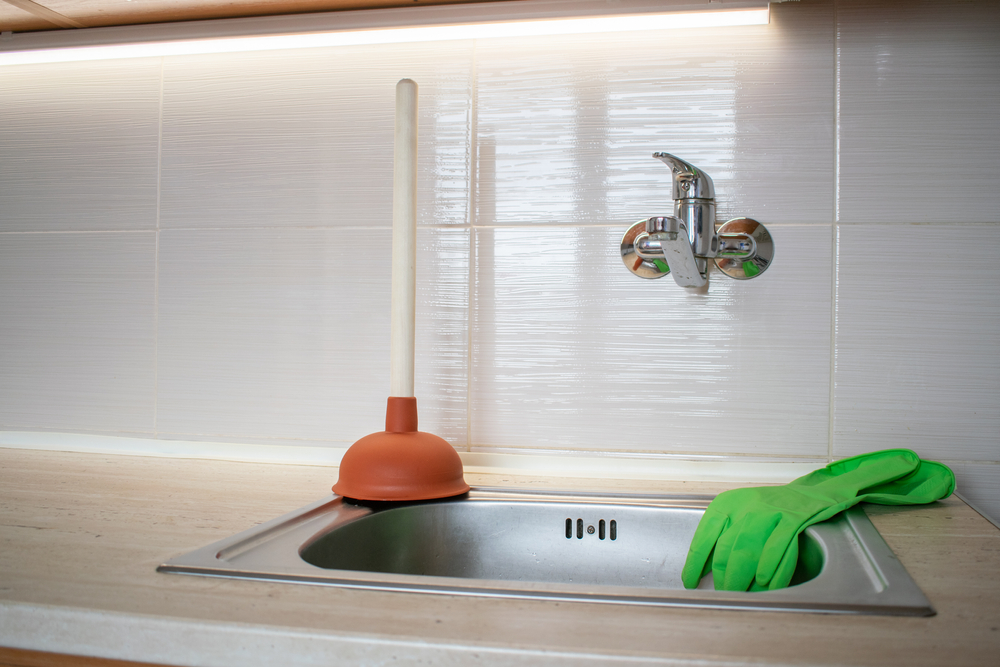
A plumbing emergency can happen without warning, whether it is a burst pipe before work, a sewer backup during the weekend, or a water heater leak that threatens your floors. For homeowners and businesses in Harlem, GA, knowing when a plumbing issue has crossed the line from inconvenient to urgent can help reduce property damage and restore normal life faster.
Quick Answer
Emergency plumbing repair is necessary when a plumbing problem threatens your property, health, or safety. Burst pipes, overflowing toilets, sewer backups, major leaks, gas line concerns, and the complete loss of water are situations that typically require immediate professional attention. Acting quickly can help limit water damage and prevent more expensive repairs later.
What Local Readers Should Know
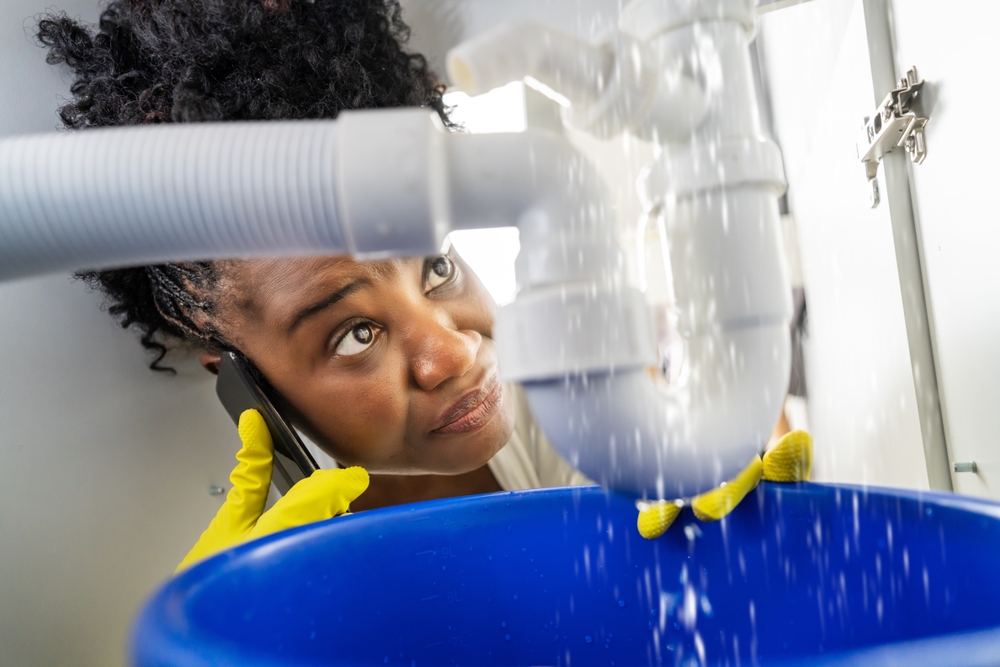
A burst pipe can release gallons of water in a short period, making immediate action essential.
Older homes in Columbia County may have aging plumbing materials that become more vulnerable over time.
Heavy Georgia rainstorms can contribute to drainage problems and sewer backups in some areas.
Turning off your home’s main water supply can reduce damage while you wait for professional service.
Small leaks often become larger emergencies if they are ignored for too long.
Why This Matters Locally
Emergency plumbing problems can quickly disrupt daily life in Harlem and nearby communities like Grovetown, Dearing, Appling, Evans, and Augusta. Local homes range from historic properties with older plumbing systems to newer construction with modern fixtures. Each presents different challenges during an emergency.
Seasonal weather also plays a role. Heavy rain, shifting soil, and periods of freezing temperatures during winter can all place additional stress on plumbing systems. Water supplied through local utilities can also contribute to normal mineral buildup inside pipes and fixtures over time.
At Powell Plumbing, we understand the plumbing challenges local property owners face because we serve homeowners and businesses throughout the surrounding communities every day.
Local Data or Field Observations
Professional field observations show that many emergency plumbing calls begin as relatively minor issues that gradually worsen. Slow leaks hidden beneath sinks, small pipe cracks inside walls, and aging water heaters often show warning signs before becoming full emergencies. Prompt inspections frequently prevent extensive water damage and reduce repair costs.
Local Impact
Emergency plumbing issues affect far more than your pipes.
Water damage can ruin flooring, drywall, cabinets, furniture, and personal belongings. Businesses may experience unexpected downtime, while homeowners often face expensive restoration work after significant leaks.
Moisture also creates favorable conditions for mold growth if affected materials remain wet for extended periods. The faster the plumbing issue is addressed, the lower the likelihood of widespread damage.
Warning Signs
Emergency plumbing repair may be necessary if you notice any of the following:
Water is actively pouring from a pipe or fixture.
Multiple drains back up at the same time.
Sewage is coming into sinks, tubs, or floor drains.
There is no water throughout the property.
Your water heater is leaking heavily.
You smell gas near gas-powered plumbing equipment.
Water stains on ceilings continue growing rapidly.
Standing water is accumulating around your home’s foundation.
When to Call a Professional
Emergency plumbing repair should begin immediately whenever water cannot be safely contained or when health and safety may be at risk.
You can often safely:
Shut off the main water valve.
Turn off electricity to affected areas if it is safe to do so.
Remove valuable belongings from standing water.
Place buckets beneath manageable leaks.
You should call a professional immediately if:
Pipes have burst.
Sewage is backing into the home.
Water continues leaking after shutting off fixtures.
A water heater is leaking extensively.
You suspect a gas leak.
Plumbing damage affects multiple fixtures throughout the property.
Common Local Causes
Several conditions commonly contribute to emergency plumbing repairs in the Harlem area.
Aging Plumbing Systems
Older homes may contain galvanized steel, aging copper, or worn fittings that eventually fail.
Heavy Rainfall
Strong storms can overwhelm drainage systems and contribute to sewer backup conditions.
Pipe Corrosion
Years of normal use gradually weaken pipes and plumbing connections.
Clogged Sewer Lines
Grease, wipes, tree roots, and debris can create severe blockages that affect the entire plumbing system.
Water Heater Wear
As water heaters age, internal corrosion increases the risk of tank leaks and sudden failures.
Prevention and Maintenance
Routine maintenance significantly reduces the likelihood of emergency plumbing repairs.
Helpful preventive steps include:
Inspect exposed plumbing for leaks several times each year.
Schedule regular water heater inspections.
Avoid flushing wipes, grease, and other unsuitable materials.
Know where your main water shutoff valve is located.
Address small leaks before they become larger problems.
Schedule plumbing inspections for older homes before major issues develop.
DIY maintenance should remain limited to visual inspections and basic preventive care. Repairs involving water supply lines, sewer systems, or gas connections should always be handled by trained professionals.
Expected Results
Professional emergency plumbing service focuses on stopping active damage first before making lasting repairs.
Depending on the issue, homeowners can generally expect:
Immediate water shutoff if necessary.
Diagnosis of the underlying problem.
Repair or replacement of damaged plumbing components.
Testing to confirm proper operation.
Recommendations for preventing similar problems in the future.
Repair timelines vary depending on the severity of the emergency and the condition of the plumbing system.
Common Mistakes
Waiting Too Long
Ignoring a growing leak often results in greater water damage and higher repair costs.
Better approach: Schedule service as soon as unusual plumbing problems appear.
Using Chemical Drain Cleaners
Harsh chemicals may damage pipes while failing to remove the actual blockage.
Better approach: Have persistent drain problems professionally diagnosed.
Attempting Complex Repairs
Improper repairs may worsen leaks or create additional plumbing failures.
Better approach: Leave major plumbing repairs to experienced professionals.
Forgetting the Water Shutoff Valve
Many homeowners do not know how to stop water during an emergency.
Better approach: Locate and test your shutoff valve before an emergency occurs.
Common Local Scenario
A homeowner notices a small leak beneath the kitchen sink after several days of heavy rain. Assuming it can wait until the weekend, they place a towel underneath the cabinet. Overnight, the damaged supply line fails completely, flooding the kitchen and damaging cabinets, flooring, and nearby drywall.
This type of situation illustrates how quickly a manageable plumbing issue can become a much larger emergency.
Related Service Solutions
Several plumbing services help resolve or prevent emergencies, including:
Suitable only until professional repairs can be completed.
Professional Emergency Repair
Burst pipes, sewer backups, major leaks
Addresses the source of the problem and helps reduce additional damage.
Scheduled Plumbing Maintenance
Preventing emergencies
Identifies developing issues before they become urgent.
Service Areas
We proudly serve homeowners and businesses in Harlem along with Grovetown, Evans, Augusta, Appling, Dearing, and surrounding Columbia County communities. Our goal is to help local property owners resolve plumbing problems quickly and protect their homes from unnecessary damage.
Cost of Ignoring the Issue
Delaying emergency plumbing repairs often leads to significantly greater expenses.
Water damage can spread behind walls, beneath flooring, and into structural materials long before visible signs appear. The longer an emergency continues, the greater the potential for costly restoration work, mold remediation, and plumbing repairs.
What qualifies as a plumbing emergency in Harlem, GA?
A plumbing emergency is any situation that threatens your property, safety, or health. Burst pipes, sewer backups, major leaks, overflowing toilets that cannot be stopped, and complete water loss generally require immediate professional attention.
Should I shut off my water before calling for emergency plumbing repair?
Yes. Turning off your home’s main water supply can help reduce damage while waiting for professional service. Every homeowner should know the location of the main shutoff valve before an emergency occurs.
Can heavy rain affect plumbing systems in Columbia County?
Yes. Heavy rainfall may contribute to drainage issues, sewer backups, and additional stress on underground plumbing systems, particularly in areas with aging infrastructure.
Is a leaking water heater considered an emergency?
Yes, if water is actively leaking from the tank. Significant leaks can damage surrounding flooring and may indicate internal tank failure that requires prompt evaluation.
Can older homes in Harlem experience more plumbing emergencies?
Yes. Older plumbing materials naturally wear over time, increasing the likelihood of leaks, corrosion, and pipe failures compared to newer systems that have been more recently installed.
Can I repair a burst pipe myself?
Temporary water shutoff measures may reduce damage, but burst pipe repairs should generally be handled by a licensed plumbing professional to ensure the repair is safe and reliable.
What should I do if multiple drains back up at once?
Multiple drain backups often indicate a sewer line issue rather than an isolated clog. This situation should be professionally evaluated as soon as possible.
How can I reduce the chances of needing emergency plumbing repair?
Routine inspections, timely repairs, water heater maintenance, and addressing small leaks early all help reduce the likelihood of major plumbing emergencies.
Protect Your Home with Fast, Professional Plumbing Service
Plumbing emergencies rarely happen at a convenient time, but responding quickly can help protect your home, your belongings, and your peace of mind. Knowing the warning signs and acting early gives you the best chance of limiting damage and restoring your plumbing system efficiently.
Need Emergency Plumbing Repair in Harlem, GA?
When unexpected plumbing problems threaten your home or business, we’re ready to help you respond quickly and confidently.
Summer in Harlem, GA brings longer days, backyard cookouts, and plenty of time spent outdoors. But along with the fun comes a season that is surprisingly hard on your home’s plumbing. Homeowners across Columbia County often find themselves dealing with slow drains, gurgling pipes, and full-on blockages right when they least expect it. The heat, increased household activity, and summer-specific habits all combine to create the perfect conditions for clogged drains. Before you reach for a bottle of chemical drain cleaner, it is worth understanding what is actually causing the problem.
Here are five hidden culprits behind summer drain clogs in Harlem, GA, and what you can do to fix them.
1. Sunscreen and Body Care Product Buildup
Summer means sunscreen, and lots of it. What most homeowners do not realize is that sunscreen, tanning oils, and thick body lotions do not simply rinse away cleanly. These products contain waxes, silicones, and oil-based compounds that cling to the interior walls of your pipes. Over time, this greasy film accumulates and begins trapping hair, soap scum, and other debris. The result is a slow-draining shower or tub that gets worse with every rinse-off after a day at the pool or the park.
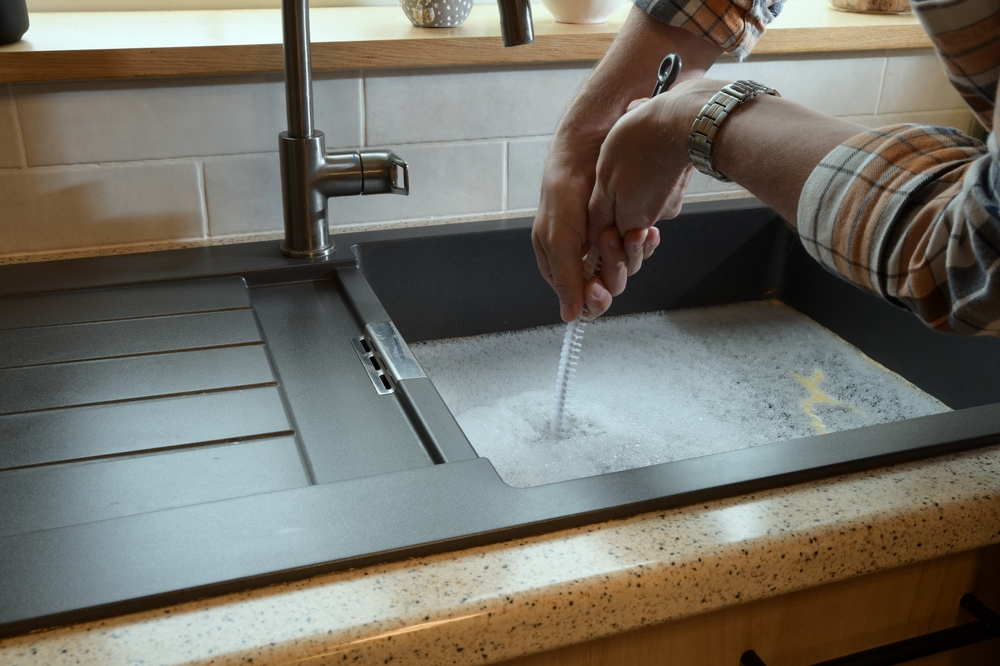
The fix here involves more than just a plunger. A licensed plumber in Harlem, GA can perform a thorough drain cleaning to remove the buildup before it becomes a serious blockage. For more stubborn accumulations, hydro-jetting is an excellent solution. This process uses high-pressure water to blast away grease and residue from deep inside the pipe walls, leaving them clean without the need for harsh chemicals.
2. Increased Outdoor Water Use and Debris Intrusion
Summer yard work, gardening, and outdoor entertaining send a lot more traffic through your outdoor drains and hose connections. Dirt, mulch, grass clippings, and small pebbles can make their way into outdoor drains or track indoors on feet and shoes, eventually finding their way into interior plumbing. In Columbia County, Georgia, red clay soil is especially problematic. This dense, sticky soil does not dissolve easily in water, and it can pack tightly into drain openings and pipe bends.
Homeowners who notice their outdoor drains running slowly after heavy summer rain or yard cleanup sessions should not ignore the warning signs. Contacting local plumbing experts for a drain cleaning service can clear out the accumulated debris before it causes a complete blockage. In more severe cases, hydro-jetting can dislodge packed soil and organic matter that standard snaking cannot reach.
3. Cooking Grease From Summer Cookouts
Grilling season is in full swing during the summer, and with that comes an increase in grease, fat, and food waste going down kitchen drains. Many homeowners in Harlem, GA assume that rinsing greasy pans with hot water is enough to clear the drain, but that is a common and costly misconception. Hot grease travels easily through the upper portion of your pipes but cools and solidifies further down the line, creating a dense, sticky clog that grows larger with every cookout.
This type of clog is one of the most frustrating for homeowners to deal with on their own because it is rarely close to the surface. Store-bought drain cleaners are often ineffective against grease blockages, and repeated use can actually damage older pipes. The right approach is to call a plumber who can diagnose the exact location and severity of the blockage. Hydro-jetting is particularly effective against grease clogs because the pressurized water not only breaks up the mass but also flushes it completely out of the pipe system, preventing it from re-forming downstream.
4. Tree Root Intrusion
This one surprises a lot of homeowners, but summer is actually prime time for tree root intrusion into sewer lines and underground drains. During the hot Georgia summer, trees send their roots deeper and wider in search of moisture. The tiny cracks and joints in underground pipes are an attractive source of water, and roots can infiltrate those openings and expand dramatically inside the pipe over a single season.
Residents in older neighborhoods around Harlem, GA and across Columbia County are especially vulnerable to this issue, as aging clay or cast iron pipes are more susceptible to root intrusion than newer PVC piping. Signs of root intrusion include gurgling sounds coming from toilets or drains, slow drainage throughout the house, and occasional sewage odors. This is not a problem you want to delay addressing. A local plumbing expert can use a camera inspection to confirm root intrusion and then recommend the right course of action. Hydro-jetting equipped with a root-cutting attachment can clear the roots from inside the pipe, restoring flow without requiring an immediate full pipe replacement in many cases.
5. Kids, Guests, and Summer Household Activity
Summer brings house guests, kids home from school, and overall increased household usage. More people in the home means more strain on your plumbing system. Toilets get flushed more frequently, showers run longer, and items that should never go down a drain, such as wet wipes, cotton balls, food scraps, and even small toys, sometimes find their way into pipes when younger children are involved.
The higher volume of use also means that minor partial clogs that were manageable during quieter months can suddenly turn into full blockages. It is not unusual for a Columbia County plumber to receive a spike in service calls during June and July simply because households are operating at a much higher capacity than they were in the spring.
Preventive drain cleaning before the summer rush is one of the smartest things a Harlem, GA homeowner can do. Having a plumber inspect and clean your drains in late spring means you go into the busiest season of the year with clear, flowing pipes. If you are already in the thick of summer and dealing with slow drains, do not wait for a full backup to force your hand. Calling local plumbing experts early keeps repair costs down and prevents the kind of messy, inconvenient emergencies that no one wants to deal with when family is visiting.
Keeping Your Drains Clear All Season Long
The best defense against summer clogs is a combination of mindful habits and professional maintenance. Avoid rinsing grease down the kitchen drain, use a hair catcher in shower and tub drains, and be careful about what goes into toilets during busy household periods. Rinse off sunscreen and heavy lotions with a towel before stepping into the shower when possible, and keep outdoor drains clear of mulch and soil after yard work.
When problems do arise, and they will for most homeowners at some point, working with a qualified plumber in Harlem, GA is always the better path compared to DIY chemical treatments that often cause more harm than good. Whether the solution is a standard drain cleaning, a full hydro-jetting service, or a camera inspection to identify a deeper issue, local plumbing experts in Columbia County have the tools and experience to handle whatever your pipes throw at them this summer.
Do not let hidden clogs turn a great Georgia summer into a plumbing nightmare. Knowing the causes puts you one step ahead, and having a trusted plumber on call keeps your home running smoothly all season long.
Need a Trusted Local Plumber Near You?
At Powell Plumbing, we take pride in being Harlem’s go-to plumbing team you can count on day or night. Whether it’s a burst pipe at 2 a.m., a stubborn drain clog, or installing a brand-new hot water heater, we’re here to deliver quality work with a personal touch. Led by Dylan Powell, our mission is simple: provide dependable service, build lasting relationships, and keep your home or business running smoothly. If you need a trusted plumber who will treat your property like our own, give us a call today; we’re ready to help 24/7!
Hard water is a real and frustrating problem for many homeowners in and around Harlem, GA. While the public water supply in parts of Columbia County has been reported to have relatively low mineral content, private well users and homeowners in certain pockets of the region can still experience water hardness issues depending on local geology and plumbing conditions.
Understanding the warning signs early can save you from costly plumbing repair bills and help you decide whether water softener installation is the right move for your home.
What Is Hard Water and Why Does It Matter in Harlem, GA?
Hard water is characterized by the amount of dissolved minerals, particularly calcium and magnesium, present in a water supply. These levels can vary significantly across Georgia due to the state’s diverse geological landscape, ranging from moderately soft to quite hard depending on the water source and surrounding geology.
For homeowners in Harlem, GA and the broader Columbia County area, the type of water you receive depends heavily on whether you are connected to the municipal supply or drawing from a private well. Well water in Georgia can pick up heavy mineral concentrations as it moves through soil and rock, and that mineral-heavy water entering your home’s plumbing is where the trouble begins. Hard water solutions are not just about convenience; they protect your investment in your home, your appliances, and your plumbing system over the long term. Without proper water treatment, the effects of mineral-laden water add up slowly but steadily until the damage becomes impossible to ignore.
Visible Clues Around Your Home That Point to a Hard Water Problem
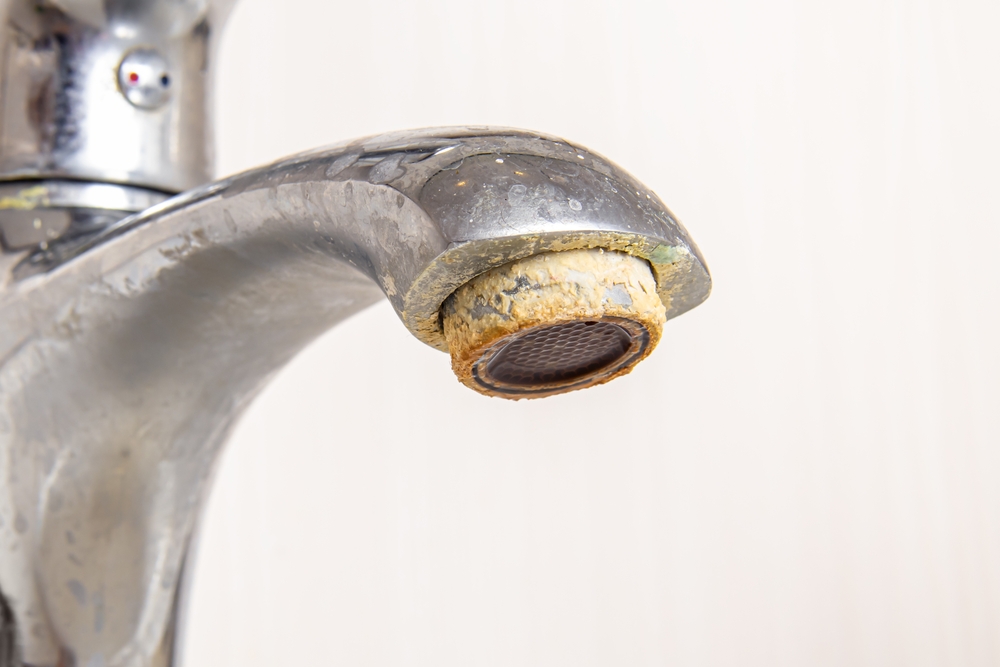
The most obvious signs of hard water tend to show up in the places where water lingers or evaporates frequently. One of the clearest indicators is white, chalky mineral buildup (also known as limescale) forming on faucets, showerheads, and around drains. You might also notice crusty white deposits on dishes or inside your coffee maker.
Beyond the kitchen and bathroom fixtures, you may find that your shower needs to be cleaned constantly, with a white, filmy residue returning just days after a thorough scrubbing. Glass shower doors cloud over quickly, and tile and grout develop a gritty coating that requires serious effort to remove. This happens because the minerals in hard water react chemically with soap to create an insoluble substance that sticks stubbornly to surfaces, and no amount of scrubbing prevents it from forming as long as the root cause goes untreated.
These visible clues are not just cosmetic annoyances. They are early warnings that mineral deposits are building up not only on surfaces you can see but also inside the pipes and appliances that keep your home running smoothly.
How Hard Water Silently Damages Your Plumbing and Appliances
One of the most damaging effects of hard water is that it works quietly inside your plumbing system where you cannot easily see it. Over time, mineral scale accumulates on the interior walls of pipes, gradually narrowing the passage through which water flows. This is one of the most common and overlooked causes of low water pressure in Georgia homes. If you are trying to fix low water pressure and the cause is not immediately obvious, hard water buildup inside the pipes is a strong suspect worth investigating before calling for a plumbing repair.
Over time, you will notice a decrease in water pressure as pipes narrow due to buildup, appliances failing sooner than expected (especially your water heater), higher utility costs resulting from reduced efficiency, and more frequent plumbing repairs. Georgia homeowners with untreated hard water often face annual costs of $800 or more. That is a significant financial burden that compounds year after year, and it is one that water softener installation can largely prevent.
Sediment from hard water in a water heater can reduce efficiency by up to 30%. When your water heater has to work harder to heat water through a layer of mineral scale, your energy bills climb and the lifespan of the unit shortens considerably. For homeowners in Harlem, GA looking to manage household expenses, addressing hard water solutions early is a smart financial decision, not just a comfort upgrade.
The Effects You Feel on Your Body and Your Laundry
Hard water does not just hurt your pipes and appliances; it affects you directly every single day. Common personal effects include dry and itchy skin after bathing, as well as dull and scratchy clothing that loses its softness and color more quickly than it should. Many homeowners attribute these problems to their soap or detergent brand and spend money switching products, never realizing the water itself is the underlying issue.
The minerals in hard water bind with detergent molecules, dramatically reducing their cleaning power. Dirt and soap that should rinse away remain trapped in fabric, leaving clothes looking worn and faded long before their time. The same principle applies to your dishes and glassware. Cloudy glassware that never quite looks clean, even right out of the dishwasher, is a telltale sign that mineral deposits are interfering with the washing process.
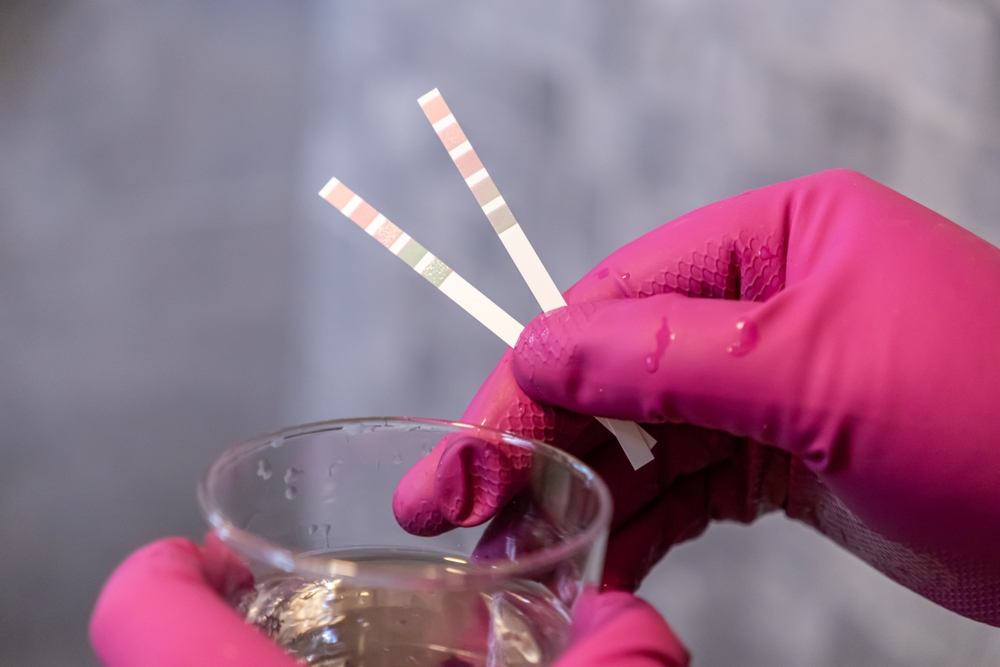
These everyday frustrations are hard to connect to a single source unless you know what to look for. For residents in Harlem, GA and surrounding communities in Columbia County, getting a professional water test is the fastest way to confirm whether hard water is behind the laundry, skin, and dish problems you have been dealing with.
What to Do Next: Water Softener Installation and Water Treatment Options
Once you have identified hard water as the problem, the solution is straightforward. The most effective way to address hard water is by installing a water conditioning system that treats your water before it enters your plumbing. Water softeners remove calcium, magnesium, and iron at the point where water enters your home.
Modern water treatment systems come in several varieties. Salt-based ion exchange softeners are the most widely used and work by swapping calcium and magnesium ions for sodium ions as water passes through a resin tank. Salt-free conditioners are an alternative for homeowners who prefer to avoid added sodium in their water. A licensed plumber familiar with local conditions in Harlem, GA and Columbia County can test your water hardness, walk you through your options, and recommend the right system for your household size and budget.
Professional water softener installation also ensures that the system is properly sized and integrated with your existing plumbing. An undersized unit will not fully address the problem, while an oversized one wastes salt and water during regeneration cycles. Getting the sizing right from the start is why working with an experienced local plumbing and water treatment professional matters.
Hard water does not usually cause a sudden failure; it creates patterns that repeat. Addressing these signs sooner rather than later can help slow mineral buildup and protect plumbing systems over time.
Your Water, Your Home: Take Action Before Damage Adds Up
The signs of hard water in your Harlem, GA home are easy to overlook individually, but when you see them together (the limescale on the faucets, the low water pressure, the dry skin, the cloudy dishes) they tell a clear story. Hard water solutions like professional water softener installation and whole-home water treatment protect your plumbing, extend the life of your appliances, reduce the need for plumbing repair, and improve the daily comfort of everyone in your household. Whether you are in Harlem, GA or elsewhere in Columbia County, reaching out to a local water treatment specialist for a water test is the best first step you can take today.
Need a Trusted Local Plumber Near You?
At Powell Plumbing, we take pride in being Harlem’s go-to plumbing team you can count on day or night. Whether it’s a burst pipe at 2 a.m., a stubborn drain clog, or installing a brand-new hot water heater, we’re here to deliver quality work with a personal touch. Led by Dylan Powell, our mission is simple: provide dependable service, build lasting relationships, and keep your home or business running smoothly. If you need a trusted plumber who will treat your property like our own, give us a call today; we’re ready to help 24/7!
If you live in Harlem, GA, you have probably noticed the telltale signs of hard water at some point. White crusty buildup around your faucets, soap that refuses to lather properly, and laundry that feels stiff even after a fresh wash are all common complaints from homeowners in this area. While these inconveniences might seem minor at first, hard water can quietly cause serious damage to your plumbing system over time. Knowing how to recognize the problem and what to do about it can save you hundreds, if not thousands, of dollars in repairs down the road.
Columbia County sits in a region where groundwater naturally picks up high concentrations of calcium and magnesium as it moves through rock and soil. This mineral-rich water flows right into your home and begins leaving deposits inside your pipes, appliances, and fixtures from the moment it enters. For homeowners in Harlem and the surrounding communities, understanding hard water is the first step toward protecting your investment.
What Hard Water Does to Your Plumbing System
The damage caused by hard water is gradual, which is part of what makes it so deceptive. Over weeks and months, mineral deposits known as scale begin to accumulate on the interior walls of your pipes. As this buildup thickens, the passageway for water narrows, leading to reduced water pressure throughout your home. You might first notice it in your shower, where the flow seems weaker than it used to be, or at the kitchen sink, where filling a pot takes longer than it should.
Beyond reduced pressure, scale buildup forces your plumbing system to work harder to move water from one place to another. This added strain increases wear on joints, valves, and seals, making leaks and bursts more likely over time. A qualified plumber in Harlem, GA can inspect your pipes for signs of scale accumulation and recommend the right course of action before the damage becomes severe.
Hard water solutions in Harlem are more accessible than many homeowners realize. Water softeners, which use a process called ion exchange to replace calcium and magnesium with sodium, are one of the most effective long-term solutions available. Whole-house filtration systems offer another layer of protection, addressing not just hardness but also other water quality concerns. Consulting with a plumber who understands the specific water conditions in Columbia County will help you choose the right system for your home.
The Impact on Your Water Heater
Your water heater is one of the appliances most vulnerable to hard water damage, and it is also one of the most expensive to replace. When hard water is heated, minerals precipitate out of the water and settle at the bottom of the tank. Over time, this sediment layer insulates the water from the heating element, forcing the unit to run longer and work harder to reach the desired temperature. The result is higher energy bills, inconsistent hot water, and a significantly shortened lifespan for the appliance.
Water heater repair in Columbia County is a common service call, and hard water is frequently the underlying culprit. Homeowners often report hearing popping or rumbling noises coming from their water heater, which is a sign that sediment has built up to the point where it is interfering with normal operation. Flushing the tank annually can help remove this buildup, but if the damage is already done, repair or replacement may be necessary.
Tankless water heaters are sometimes marketed as a solution to sediment problems, but they are not immune to hard water damage either. The heat exchanger in a tankless unit can become clogged with scale just like a traditional tank, leading to reduced efficiency and eventual failure. Whether you have a tank or tankless system, pairing your water heater with a water softener is the best way to extend its life and keep it running efficiently. If you are already dealing with performance issues, reaching out to a plumber in Harlem, GA for a professional assessment is the smart move.
Drain Cleaning and Hard Water Buildup
Most people associate clogged drains with hair, grease, and soap scum, and while those are certainly common causes, hard water plays a role here as well. Mineral deposits can build up on the interior of drain pipes just as they do in supply lines, gradually restricting flow and creating surfaces where other debris clings more easily. The combination of scale and organic material can produce stubborn clogs that resist standard plunging or store-bought drain cleaners.
Drain cleaning is an essential part of home maintenance for anyone dealing with hard water in Harlem. Professional drain cleaning goes beyond what consumer tools can accomplish. Hydro jetting, for example, uses high-pressure water to scour the inside of pipes, blasting away both mineral deposits and organic buildup in a single treatment. This method is far more thorough than chemical cleaners, which can sometimes damage pipes with repeated use.
Slow drains are easy to ignore, especially when they seem to be functioning well enough. But a drain that moves slowly today can become a fully blocked drain tomorrow, and backups in your kitchen or bathroom can lead to water damage that far exceeds the cost of a simple cleaning. Scheduling regular drain cleaning with a trusted plumber in Columbia County is one of the easiest ways to avoid emergency plumbing calls.
Hard Water Solutions for Harlem Homeowners
Addressing hard water in Harlem does not have to be complicated or prohibitively expensive. The key is identifying the right solution for your specific situation and having it installed correctly from the start. A whole-house water softener is generally the most comprehensive approach, treating all the water that enters your home before it ever reaches your pipes, appliances, or fixtures.
For homeowners who are concerned about sodium intake or prefer not to use a salt-based system, salt-free water conditioners are another option. These systems do not remove minerals from the water but instead change the structure of the minerals so they are less likely to adhere to surfaces. While they may not be as aggressive as traditional softeners, they can still provide meaningful protection for your plumbing.
Magnetic and electronic descalers represent a more affordable entry point for homeowners who want to experiment with hard water solutions without committing to a full softener installation. These devices attach to your pipes and use magnetic or electrical fields to alter mineral behavior. Results vary, and they work best as a supplemental measure rather than a standalone solution.
Whatever approach you choose, working with an experienced plumber in Harlem, GA ensures that your system is properly sized for your household’s water usage, correctly installed, and maintained over time. Poorly installed water treatment equipment can create its own set of problems, so professional guidance is always worthwhile.
Conclusion
Hard water is a fact of life for many homeowners in Harlem, GA and throughout Columbia County, but it does not have to mean damaged pipes, failing appliances, or frequent emergency repairs. By understanding how mineral buildup affects your plumbing system, investing in the right hard water solutions, staying on top of drain cleaning, and addressing water heater repair issues promptly, you can protect your home and avoid costly surprises. A reliable plumber in Harlem, GA is your best resource for navigating these challenges, offering the local knowledge and technical expertise needed to keep your plumbing in top condition for years to come.
Need a Trusted Local Plumber Near You?
At Powell Plumbing, we take pride in being Harlem’s go-to plumbing team you can count on day or night. Whether it’s a burst pipe at 2 a.m., a stubborn drain clog, or installing a brand-new hot water heater, we’re here to deliver quality work with a personal touch. Led by Dylan Powell, our mission is simple: provide dependable service, build lasting relationships, and keep your home or business running smoothly. If you need a trusted plumber who will treat your property like our own, give us a call today; we’re ready to help 24/7!
A main sewer line clog is one of the most serious plumbing problems a homeowner can face, and ignoring the early warning signs can turn a manageable repair into a full-blown plumbing disaster. The good news is that catching the problem early, with a professional plumbing inspection, can save you thousands of dollars and a whole lot of stress.
Here are five signs that point to a main line clog, and why Harlem homeowners should never put off calling for emergency service.
1. Multiple Drains Are Slow or Backing Up at the Same Time
One slow drain in your bathroom is usually not cause for panic. It might just be a localized clog caused by hair, soap scum, or debris. But when two or more drains in your home start backing up at the same time, that is a strong indicator that the problem is deeper in your plumbing system.
Your home’s individual drain lines all connect to the main sewer line, which carries waste out to the municipal sewer or your septic system. When that main line gets blocked, water and waste have nowhere to go. You might notice your kitchen sink draining slowly at the same time your bathtub is gurgling, or your laundry room floor drain is backing up while your toilet flushes sluggishly. These are classic clogged drain symptoms that should not be brushed off.
If you are experiencing multiple slow drains throughout your Harlem, GA home, do not wait. Contact a plumber for a professional plumbing inspection right away.
2. Toilets Are Gurgling or Making Unusual Noises
Toilets are often the first fixtures in a home to reveal a main line clog because they have the most direct connection to the sewer line. If your toilet gurgles after you flush, makes bubbling sounds when you run water elsewhere in the house, or seems to flush with less force than usual, pay attention.
These sounds happen because a blockage in the main line traps air in the pipes. As water tries to move through the system, it displaces that air, which escapes back up through your toilet or nearby drains. You might even notice the water level in your toilet bowl rising and falling on its own, which is a sure sign that something is very wrong further down the line.
Gurgling toilets combined with any of the other clogged drain symptoms on this list should be treated as a signal to call for emergency service. In Harlem, GA, where older neighborhoods can have aging sewer infrastructure, this kind of problem can escalate quickly.
3. Water Backs Up Into Other Fixtures When You Use Plumbing
This is one of the more alarming signs, and it is hard to miss. When you flush the toilet and water suddenly bubbles up into your bathtub, or when you run your washing machine and water rises in your kitchen sink, you are witnessing a textbook case of a main line obstruction.
This cross-fixture backup happens because the main line is so blocked that water cannot flow forward toward the sewer. Instead, it finds the path of least resistance and pushes back up through the nearest available drain. It is not just unpleasant, it is unsanitary. Sewage and wastewater can carry harmful bacteria and pathogens that pose a real health risk to your family.
Do not try to diagnose or fix this kind of problem with store-bought drain cleaners or a standard plunger. This situation calls for a licensed plumber with the tools and expertise to perform a full sewer line repair or cleaning. Homeowners in Harlem, GA should treat this symptom as a plumbing emergency and act accordingly.
4. You Notice Foul Odors Coming From Your Drains
Healthy drains do not smell. If you start noticing persistent sewage odors coming from your sinks, shower drains, or floor drains, something is seriously off. A properly functioning sewer line keeps waste and sewer gases moving away from your home. When the line is clogged, those gases have nowhere to go but back into your living space.
Sewer gas contains compounds like hydrogen sulfide and methane, which are not just unpleasant, they can be dangerous in high concentrations. If you smell something like rotten eggs or raw sewage anywhere inside your Harlem, GA home, do not assume it will go away on its own.
A professional plumbing inspection will help determine whether the odor is coming from a partial main line clog, a broken pipe, or a compromised sewer vent. Any of these issues requires prompt attention from a qualified plumber who can assess the situation and recommend the right course of action, whether that is a thorough cleaning, a sewer line repair, or a more involved fix.
5. Patches of Unusually Lush or Wet Grass in Your Yard
This sign is easy to overlook because it happens outside, away from your day-to-day routines. If you notice an area of your yard that looks greener than the rest, has soft or soggy ground even when it has not rained, or smells faintly of sewage, your underground sewer line may be leaking.
A main line clog that goes unaddressed long enough can cause pressure to build up inside the pipe. Over time, that pressure can lead to cracks, breaks, or joint separations in the line. When sewage starts leaking into the surrounding soil, it acts as a fertilizer, causing grass and vegetation to grow unusually fast and lush directly above the damaged pipe.
This is one of the most serious stages of a sewer problem, and it almost always requires professional sewer line repair. In Harlem, GA, homes with older clay or cast-iron sewer pipes are especially vulnerable to this kind of damage. Tree roots are another common culprit, as they naturally seek out water sources and can infiltrate and destroy sewer lines over time.
If you spot soggy or unusually green patches in your yard alongside any of the other symptoms mentioned here, call for emergency service immediately. The longer a damaged line is left unaddressed, the more costly and invasive the repair will become.
Why Harlem, GA Homeowners Should Never Delay
Every one of these signs points to a problem that gets worse with time. A partial clog can become a full blockage. A small crack can turn into a collapsed pipe. What starts as an inconvenient backup can end in raw sewage flooding your bathroom or yard.
Emergency plumbing situations have a way of happening at the worst possible times, which is exactly why having a trusted local plumber in Harlem, GA on speed dial is so important. When you call for a professional plumbing inspection at the first sign of trouble, you give yourself the best chance of catching the problem early, minimizing damage, and keeping repair costs manageable.
Sewer line repair is not a DIY project. It requires specialized equipment, proper training, and a thorough understanding of your home’s plumbing layout. Attempting to handle it yourself can make things worse or create new problems elsewhere in the system.
Conclusion
Your home’s sewer line is out of sight, but it should never be out of mind. If you are noticing any of these five warning signs, do not wait to see if the problem resolves on its own. Contact a licensed plumber in Harlem, GA for a professional plumbing inspection and get ahead of the issue before it turns into a full emergency. Fast action today can protect your home, your health, and your wallet for years to come.
Need a Trusted Local Plumber Near You?
At Powell Plumbing, we take pride in being Harlem’s go-to plumbing team you can count on day or night. Whether it’s a burst pipe at 2 a.m., a stubborn drain clog, or installing a brand-new hot water heater, we’re here to deliver quality work with a personal touch. Led by Dylan Powell, our mission is simple: provide dependable service, build lasting relationships, and keep your home or business running smoothly. If you need a trusted plumber who will treat your property like our own, give us a call today; we’re ready to help 24/7!