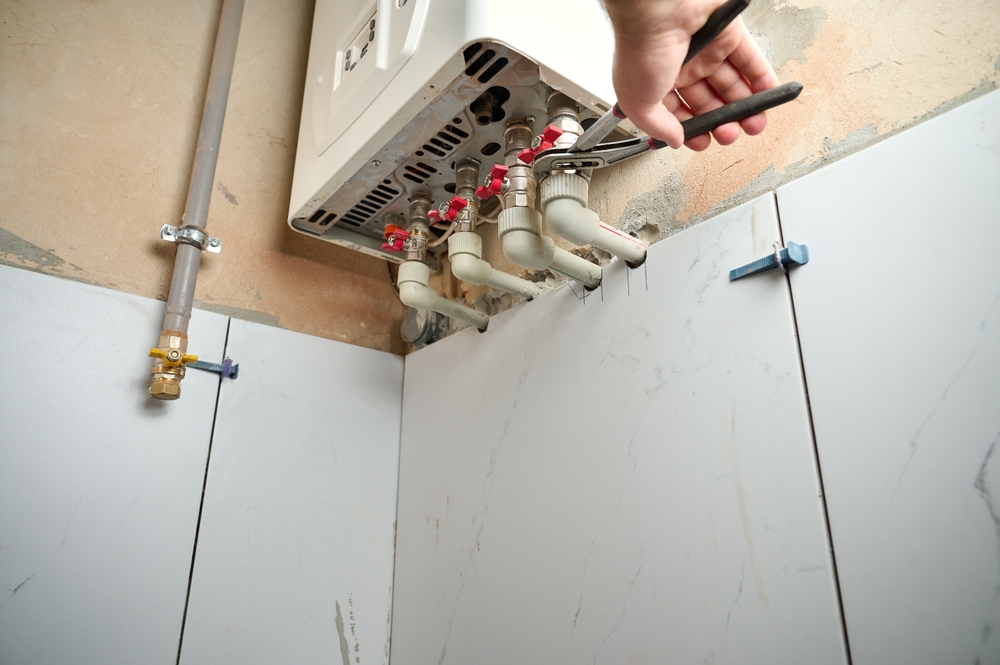
As the crisp air of fall begins to settle over Harlem, GA, homeowners start preparing their properties for cooler weather. One of the most overlooked yet essential steps during this seasonal transition is ensuring your water heater is in top condition. With temperatures dropping, hot water becomes a necessity, making proper water heater maintenance a priority. Partnering with a trusted plumber in Harlem, GA or a reliable plumbing company in Grovetown and Harlem, GA can make all the difference when it comes to efficiency, safety, and avoiding unexpected breakdowns.
In this comprehensive guide, we’ll cover everything you need to know to prepare your water heater for the fall season. From preventive maintenance tips to when to call for professional hot water heater service in Harlem, GA, this blog will ensure your home is ready for the cooler months ahead.
The Importance of Water Heater Maintenance in Harlem, GA
Your water heater works hard year-round, but it faces extra pressure as temperatures drop in Harlem, GA. When the fall season arrives, the incoming water supply is naturally cooler, which forces your system to work harder to heat water to your desired temperature. Without proper water heater maintenance, this extra strain can lead to decreased efficiency, higher energy bills, and even sudden equipment failure.
Regular maintenance offers several benefits, including improved energy efficiency, extended system lifespan, and consistent hot water supply. Neglecting these simple upkeep tasks can result in costly repairs or replacements. A trusted plumber in Harlem, GA can inspect your system to ensure all components are functioning properly, preventing minor issues from becoming major problems.
For homeowners in both Harlem and nearby Grovetown, scheduling seasonal service with a reputable plumbing company is one of the best ways to avoid unexpected emergencies when the temperatures start to dip.
Fall Plumbing Tips for Harlem, Georgia Homeowners
As part of your seasonal home preparation, incorporating fall plumbing tips can make a significant difference in ensuring your water heater continues to perform efficiently. Harlem, Georgia homeowners should begin by flushing the tank to remove built-up sediment, which can reduce heating efficiency and increase wear on the system. Over time, mineral deposits can accumulate at the bottom of the tank, forcing the system to work harder and potentially leading to premature failure.
Checking the anode rod is another essential step. This small but critical component prevents tank corrosion by attracting minerals and impurities. If the rod is heavily corroded, replacing it promptly can extend your heater’s lifespan.
Additionally, make sure to test the temperature and pressure relief (TPR) valve. This safety feature releases pressure if the tank gets too hot, preventing dangerous malfunctions. If you’re unsure how to perform these tasks safely, hiring a professional plumber in Harlem, GA ensures your system is properly inspected and maintained.
Finally, consider insulating both the tank and exposed water pipes, especially if your heater is in a garage or basement. This simple step keeps water warmer longer, reducing energy usage and protecting your pipes from cold weather damage.
When to Call for Hot Water Heater Service in Harlem, GA
Even with proper maintenance, there are times when calling for professional hot water heater service in Harlem, GA is essential. If you notice inconsistent water temperatures, strange noises coming from the tank, or rusty-colored water, it may indicate underlying issues that require expert attention.
An experienced plumber can diagnose and repair common problems such as thermostat malfunctions, heating element failures, and leaks before they escalate into expensive replacements. They’ll also ensure your system meets safety standards, protecting your home and family from potential hazards.
If your water heater is more than 8–10 years old, fall is an excellent time to evaluate whether an upgrade would be more cost-effective. Newer models are far more energy-efficient, which can help offset seasonal heating costs while ensuring a steady supply of hot water. A trusted plumbing company in Grovetown and Harlem, GA can provide recommendations tailored to your household’s needs and budget.
Choosing the Right Plumbing Company in Grovetown and Harlem, GA
When it comes to maintaining your water heater, not all plumbing companies are created equal. Homeowners in Harlem and Grovetown should look for licensed, experienced professionals who specialize in water heater installation, maintenance, and repair. A reputable plumbing company in Grovetown and Harlem, GA will provide transparent pricing, fast response times, and excellent customer service.
Look for companies that offer comprehensive maintenance packages, including system inspections, sediment flushing, safety checks, and efficiency optimization. Building a relationship with a trusted local plumber ensures you’ll have someone to rely on in case of unexpected breakdowns, especially during colder months when demand for hot water is highest.
By choosing an experienced team familiar with the specific plumbing challenges in Harlem and Grovetown, you’ll enjoy greater peace of mind knowing your system is in expert hands.
Preparing for Fall: Why Water Heater Care Matters in Harlem, Georgia
Proper water heater maintenance goes beyond just ensuring a warm shower on chilly mornings. In Harlem, Georgia, seasonal changes put additional stress on plumbing systems, making proactive care more important than ever. By scheduling preventive maintenance, following fall plumbing tips, and working with a qualified plumber in Harlem, GA, you’ll safeguard your comfort, save on utility bills, and reduce the risk of emergency repairs.
It’s also wise to monitor your water heater throughout the season. If you notice unusual performance changes, such as slower heating times or fluctuating water pressure, don’t wait until the problem worsens. Prompt attention from a skilled professional can prevent costly damage and keep your household running smoothly.
Conclusion
As fall approaches in Harlem, GA, preparing your water heater should be a top priority. From flushing the tank and inspecting the anode rod to insulating pipes and scheduling professional inspections, these proactive steps can save you time, money, and stress. Partnering with a reputable plumbing company in Grovetown and Harlem, GA ensures that your water heater is ready to handle the seasonal shift with maximum efficiency and reliability.
Whether you’re seeking preventive maintenance or need urgent hot water heater service in Harlem, GA, local experts are here to help. Don’t wait for cold weather to expose problems—act now to keep your home comfortable, your energy bills manageable, and your water heater running smoothly all season long.
Need a Trusted Local Plumber Near You?
At Powell Plumbing, we take pride in being Harlem’s go-to plumbing team you can count on day or night. Whether it’s a burst pipe at 2 a.m., a stubborn drain clog, or installing a brand-new hot water heater, we’re here to deliver quality work with a personal touch. Led by Dylan Powell, our mission is simple: provide dependable service, build lasting relationships, and keep your home or business running smoothly. If you need a trusted plumber who will treat your property like our own, give us a call today — we’re ready to help 24/7!
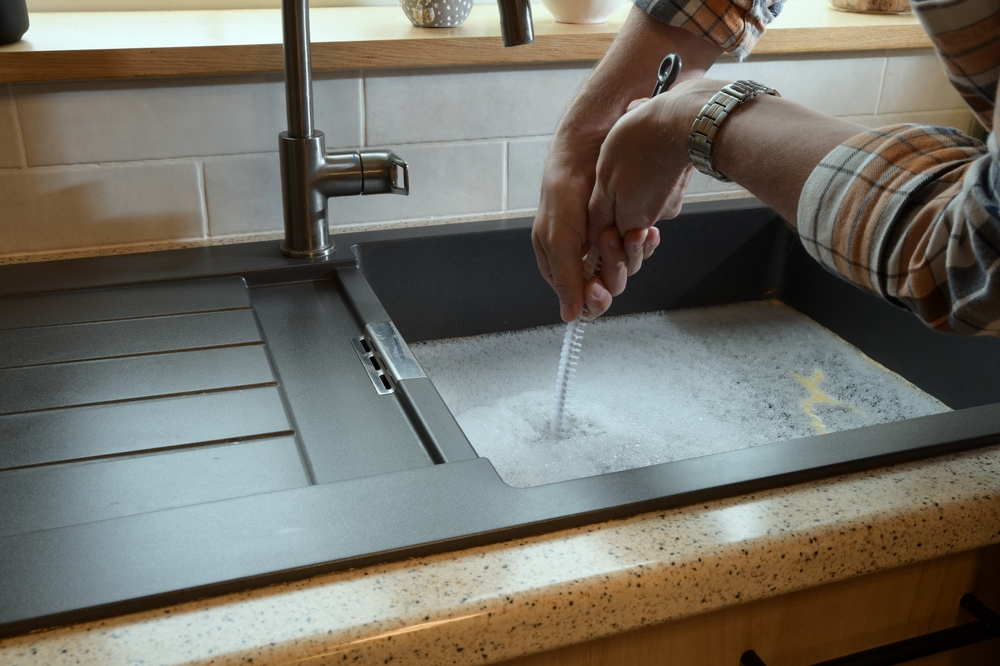
A smoothly running plumbing system is something most homeowners take for granted—until a clogged drain brings things to a halt. Whether it’s a slow-draining sink, a backed-up shower, or a kitchen drain that smells unpleasant, these issues can be frustrating and sometimes costly to fix. Fortunately, with a little preventive care and attention, you can significantly reduce the chances of clogs forming in the first place. Understanding the best way to prevent clogs isn’t just about convenience—it’s about protecting your home from water damage, expensive repairs, and the inconvenience of unexpected plumbing emergencies.
In this guide, we’ll explore five simple, effective habits you can adopt to keep your drains clear and functional. By incorporating these tips into your routine, you’ll not only minimize the need to figure out how to clear clogs from drains but also extend the lifespan of your plumbing system.
Keep Food Scraps and Grease Out of Kitchen Drains
One of the biggest contributors to clogged kitchen drains is food waste, especially when mixed with fats, oils, and grease. Even small bits of food can accumulate over time, clinging to grease and forming stubborn blockages deep in the pipes. While it might seem harmless to rinse food particles down the sink, this is a surefire way to encourage buildup.
The best way to prevent clogs in the kitchen is to scrape all food scraps into the trash or compost bin before washing dishes. Additionally, pour cooled grease into a container rather than down the drain—grease solidifies as it cools, creating sticky blockages that trap other debris. Installing a sink strainer can also help by catching small particles you might miss, making it easier to dispose of them properly. By keeping your kitchen drain free of these culprits, you’ll significantly reduce the frequency of clogs and unpleasant odors.
Use Drain Guards to Catch Hair and Debris
Bathroom drains are particularly vulnerable to clogs caused by hair, soap scum, and other debris. When hair combines with soap residue, it can form dense, tangled clumps that slow drainage and cause water to back up. One of the simplest and most cost-effective preventive measures is to use a drain guard or hair catcher in your shower and sink drains.
These small devices are easy to install and remove, and they act as a physical barrier between debris and your pipes. Emptying them regularly will keep your drains flowing freely without the need to resort to harsh chemical cleaners. Over time, this small habit can make a huge difference in preventing blockages, especially in households with long-haired family members.
Flush Drains With Hot Water and Natural Cleaners
Even with good habits, some residue inevitably builds up in drains over time. To combat this, make a habit of flushing your drains with hot water once a week. The heat helps dissolve soap scum, grease, and other materials before they have a chance to solidify.
For an extra boost, you can follow the hot water flush with a natural cleaning method—pour half a cup of baking soda into the drain, followed by half a cup of vinegar. This combination creates a fizzy reaction that helps break down buildup and deodorize the drain. After letting it sit for 15–20 minutes, rinse with more hot water. This gentle, chemical-free approach is a safe and effective way to maintain clean pipes without causing damage.
Be Mindful of What Goes Down the Toilet
Toilets are designed to handle human waste and toilet paper—nothing more. Flushing anything else, even products labeled “flushable,” can lead to serious plumbing problems. Items such as wipes, cotton swabs, feminine hygiene products, paper towels, and dental floss don’t break down easily and can create stubborn clogs.
The best way to prevent clogs in toilets is to keep a small covered trash bin nearby for non-flushable items. Educate everyone in your household, including guests, about what should and shouldn’t be flushed. Taking this proactive step not only protects your home’s plumbing but also helps prevent blockages in municipal sewer systems.
Schedule Routine Drain Maintenance
Even with preventive habits, professional drain maintenance can help identify and address small issues before they turn into major problems. Plumbers have specialized tools and equipment to thoroughly clean pipes, removing buildup that might not yet be causing slow drainage but could lead to clogs in the future.
Scheduling a drain cleaning service once or twice a year—especially in older homes or those with frequent drain use—can save you time, money, and frustration. This proactive approach means you’ll spend less time figuring out how to clear clogs from drains and more time enjoying a smoothly functioning plumbing system.
Conclusion
Clogged drains can be a major headache, but with a little foresight and consistent care, they are largely preventable. By keeping food scraps and grease out of your kitchen sink, using drain guards to catch hair, flushing your drains regularly with hot water and natural cleaners, being mindful of what you flush, and investing in routine professional maintenance, you can protect your plumbing and avoid costly repairs.
The best way to prevent clogs is to make these habits part of your household routine, ensuring that your drains remain clear and functional for years to come. And if you ever find yourself facing a stubborn blockage despite your efforts, knowing how to clear clogs from drains safely and effectively will keep you one step ahead of plumbing problems. With these strategies in place, your home will run more smoothly, and you’ll have peace of mind knowing your drains are in top shape.
Need a Trusted Local Plumber Near You?
At Powell Plumbing, we take pride in being Harlem’s go-to plumbing team you can count on day or night. Whether it’s a burst pipe at 2 a.m., a stubborn drain clog, or installing a brand-new hot water heater, we’re here to deliver quality work with a personal touch. Led by Dylan Powell, our mission is simple: provide dependable service, build lasting relationships, and keep your home or business running smoothly. If you need a trusted plumber who will treat your property like our own, give us a call today — we’re ready to help 24/7!
When temperatures drop, unprotected pipes are at risk of freezing—and frozen pipes can lead to costly repairs, water damage, and significant disruption to your daily routine. Insulating your water piping is one of the most effective ways to prevent freezing and bursting during cold months. In this guide, we’ll explore the best ways to insulate water piping, discuss practical techniques for homeowners, and share long-term maintenance strategies to ensure your plumbing system remains protected year after year.
The Importance of Pipe Insulation
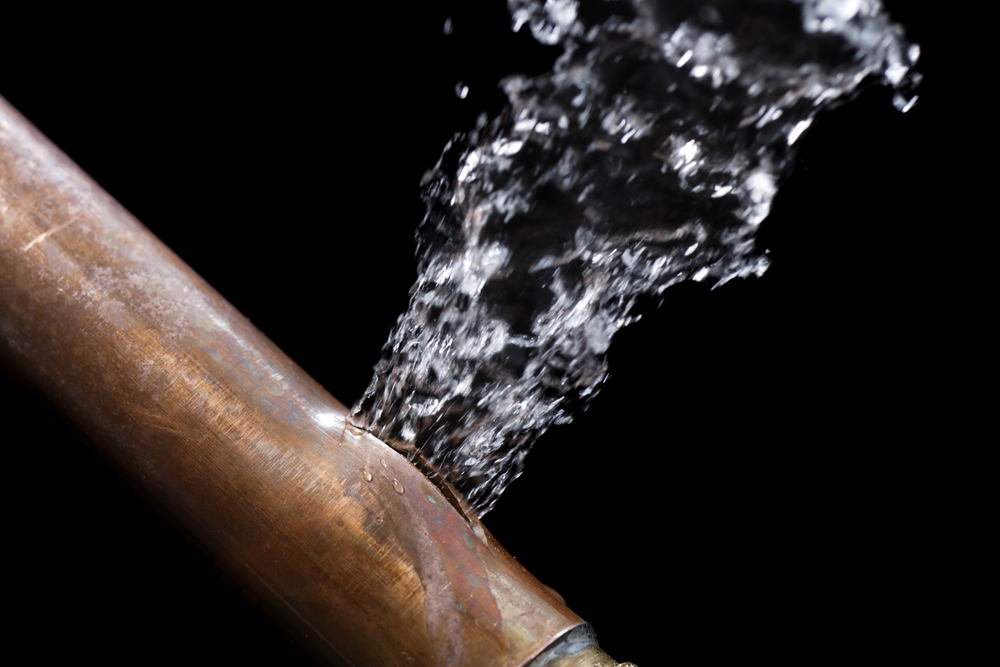
Insulating your pipes in the winter isn’t just about avoiding inconvenience—it’s about safeguarding your home and its infrastructure. When water inside a pipe freezes, it expands, creating immense pressure that can crack or burst the pipe. This is especially problematic for pipes in unheated areas such as basements, crawl spaces, garages, and attics. Even a small split can cause gallons of water to spill into your home, leading to damage to floors, walls, and personal belongings. Knowing how to insulate pipes for winter is a proactive step that not only prevents costly emergencies but also helps improve energy efficiency. Warm water will stay warmer for longer, which can reduce heating costs for your water supply.
Insulation is also critical for maintaining consistent water pressure during cold weather. Frozen water can block flow entirely, meaning you won’t have access to running water until the pipe thaws—sometimes requiring professional intervention. Beyond winter protection, pipe insulation can also help during warmer months by reducing condensation buildup, which can prevent corrosion and mold growth over time.
Choosing the Right Materials for Pipe Insulation
When exploring the best ways to insulate water piping, material choice is essential. Not all insulation types are created equal, and the right choice depends on your climate, budget, and the location of your pipes. Foam pipe insulation is one of the most popular options. It’s affordable, easy to install, and available in pre-slit tubes that can be slipped over the pipe. Fiberglass pipe wrap is another option, offering excellent thermal resistance for extremely cold areas. This type of insulation often comes with a vapor barrier to prevent moisture issues.
For more extreme climates, rubber insulation provides excellent flexibility and long-term durability. It can expand and contract without cracking, making it a reliable choice for pipes exposed to fluctuating temperatures. Reflective foil insulation is also an option, especially for larger pipes in areas where radiant heat protection is necessary. Regardless of material, proper installation is critical—loose-fitting insulation won’t provide full protection, and gaps can allow cold air to seep in, leading to freezing risks.
If you’re insulating outdoor pipes or those in damp environments, selecting water-resistant materials is vital. Even the best insulation won’t help if it becomes saturated, as wet insulation loses much of its thermal efficiency. Before purchasing, measure the pipe diameters in your home to ensure a snug fit with the insulation product you choose.
Step-by-Step Approach to Winterizing Your Pipes
Knowing how to insulate pipes for winter effectively involves more than just slipping insulation material over them—it’s a process that benefits from careful preparation and attention to detail. Start by identifying all vulnerable areas of your plumbing system. These include pipes in unheated spaces, exterior walls, and those running close to windows or doors where drafts can occur. Shut off the water supply to outdoor faucets and drain any remaining water from those lines. This simple step eliminates the risk of ice forming in areas you might overlook.
Once vulnerable pipes are identified, clean them to remove dust, grease, and debris, ensuring the insulation will fit snugly and adhere properly. When applying foam or rubber insulation, press the slit edges firmly together and seal them with high-quality duct tape or insulation-specific adhesive strips. For bends or joints, cut the insulation at an angle to create a custom fit, preventing gaps. In extremely cold climates, consider pairing insulation with electric heat tape. This self-regulating cable wraps around pipes and provides a gentle, consistent heat source to keep water flowing even in sub-zero conditions.
Don’t forget to check entry points into your home. Use caulking or spray foam to seal cracks where cold air can seep into wall cavities or crawl spaces. The combination of insulation and sealing drafts creates a more comprehensive defense against freezing.
Maintenance and Long-Term Protection
Pipe insulation isn’t a one-and-done project—it requires periodic inspection to ensure its continued effectiveness. Each fall, before winter weather sets in, check all previously insulated pipes for signs of wear, moisture damage, or compression. Replace any sections where insulation has degraded, and verify that all joints and seams remain tightly sealed. If you’re using heat tape, test it to ensure it’s functioning properly before the coldest months arrive.
Another overlooked aspect of long-term pipe protection is temperature monitoring. Installing inexpensive temperature sensors in areas with vulnerable pipes can alert you to sudden drops, giving you time to take action before freezing occurs. Likewise, maintaining adequate indoor heat—even in unoccupied rooms—helps protect plumbing. Set thermostats to no lower than 55°F, and keep cabinet doors open under sinks to allow warm air to circulate around exposed pipes.
If your home has undergone renovations or additions, reassess your insulation needs. New wall openings, basement finishing, or changes to your HVAC system may expose previously safe pipes to cold conditions. Continual reassessment ensures your system adapts to changing circumstances and remains well-protected year after year.
Conclusion
Insulating your pipes is one of the smartest preventative measures you can take to protect your home during the cold season. By understanding the best ways to insulate water piping, choosing appropriate materials, following a thorough installation process, and maintaining your insulation over time, you can significantly reduce the risk of frozen or burst pipes. This proactive approach saves you from expensive repairs, helps conserve energy, and ensures you have uninterrupted access to water when you need it most. As winter approaches, taking the time to learn how to insulate pipes for winter effectively is an investment in both your home’s safety and your peace of mind. With the right preparation, you can enjoy the season without worrying about the hidden dangers of freezing temperatures on your plumbing system.
Need a Trusted Local Plumber Near You?
At Powell Plumbing, we take pride in being Harlem’s go-to plumbing team you can count on day or night. Whether it’s a burst pipe at 2 a.m., a stubborn drain clog, or installing a brand-new hot water heater, we’re here to deliver quality work with a personal touch. Led by Dylan Powell, our mission is simple: provide dependable service, build lasting relationships, and keep your home or business running smoothly. If you need a trusted plumber who will treat your property like our own, give us a call today — we’re ready to help 24/7!