Hard water is a real and frustrating problem for many homeowners in and around Harlem, GA. While the public water supply in parts of Columbia County has been reported to have relatively low mineral content, private well users and homeowners in certain pockets of the region can still experience water hardness issues depending on local geology and plumbing conditions.
Understanding the warning signs early can save you from costly plumbing repair bills and help you decide whether water softener installation is the right move for your home.
What Is Hard Water and Why Does It Matter in Harlem, GA?
Hard water is characterized by the amount of dissolved minerals, particularly calcium and magnesium, present in a water supply. These levels can vary significantly across Georgia due to the state’s diverse geological landscape, ranging from moderately soft to quite hard depending on the water source and surrounding geology.
For homeowners in Harlem, GA and the broader Columbia County area, the type of water you receive depends heavily on whether you are connected to the municipal supply or drawing from a private well. Well water in Georgia can pick up heavy mineral concentrations as it moves through soil and rock, and that mineral-heavy water entering your home’s plumbing is where the trouble begins. Hard water solutions are not just about convenience; they protect your investment in your home, your appliances, and your plumbing system over the long term. Without proper water treatment, the effects of mineral-laden water add up slowly but steadily until the damage becomes impossible to ignore.
Visible Clues Around Your Home That Point to a Hard Water Problem
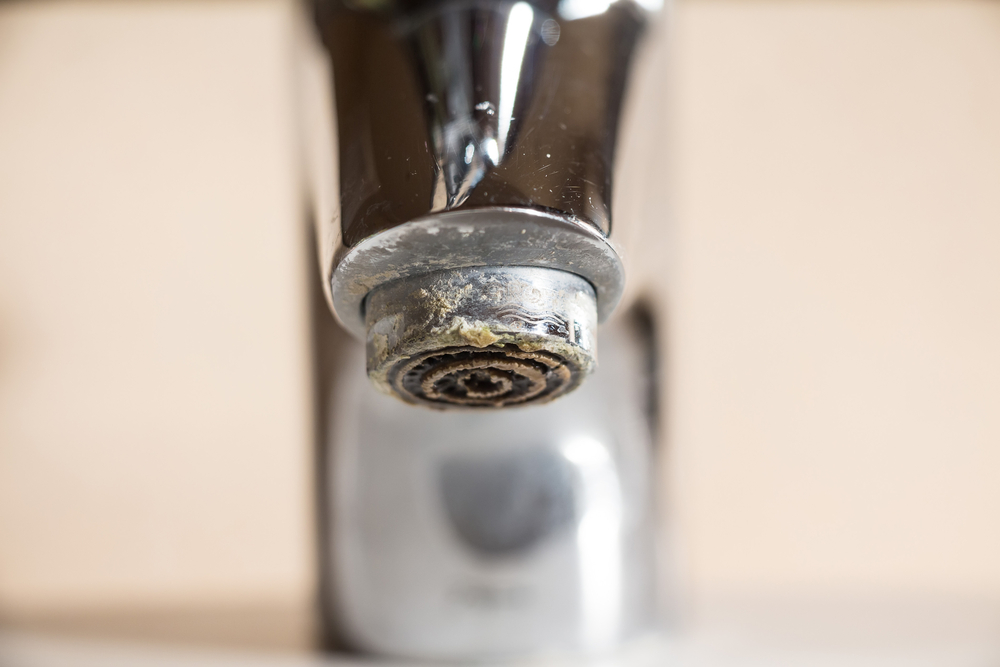
The most obvious signs of hard water tend to show up in the places where water lingers or evaporates frequently. One of the clearest indicators is white, chalky mineral buildup (also known as limescale) forming on faucets, showerheads, and around drains. You might also notice crusty white deposits on dishes or inside your coffee maker.
Beyond the kitchen and bathroom fixtures, you may find that your shower needs to be cleaned constantly, with a white, filmy residue returning just days after a thorough scrubbing. Glass shower doors cloud over quickly, and tile and grout develop a gritty coating that requires serious effort to remove. This happens because the minerals in hard water react chemically with soap to create an insoluble substance that sticks stubbornly to surfaces, and no amount of scrubbing prevents it from forming as long as the root cause goes untreated.
These visible clues are not just cosmetic annoyances. They are early warnings that mineral deposits are building up not only on surfaces you can see but also inside the pipes and appliances that keep your home running smoothly.
How Hard Water Silently Damages Your Plumbing and Appliances
One of the most damaging effects of hard water is that it works quietly inside your plumbing system where you cannot easily see it. Over time, mineral scale accumulates on the interior walls of pipes, gradually narrowing the passage through which water flows. This is one of the most common and overlooked causes of low water pressure in Georgia homes. If you are trying to fix low water pressure and the cause is not immediately obvious, hard water buildup inside the pipes is a strong suspect worth investigating before calling for a plumbing repair.
Over time, you will notice a decrease in water pressure as pipes narrow due to buildup, appliances failing sooner than expected (especially your water heater), higher utility costs resulting from reduced efficiency, and more frequent plumbing repairs. Georgia homeowners with untreated hard water often face annual costs of $800 or more. That is a significant financial burden that compounds year after year, and it is one that water softener installation can largely prevent.
Sediment from hard water in a water heater can reduce efficiency by up to 30%. When your water heater has to work harder to heat water through a layer of mineral scale, your energy bills climb and the lifespan of the unit shortens considerably. For homeowners in Harlem, GA looking to manage household expenses, addressing hard water solutions early is a smart financial decision, not just a comfort upgrade.
The Effects You Feel on Your Body and Your Laundry
Hard water does not just hurt your pipes and appliances; it affects you directly every single day. Common personal effects include dry and itchy skin after bathing, as well as dull and scratchy clothing that loses its softness and color more quickly than it should. Many homeowners attribute these problems to their soap or detergent brand and spend money switching products, never realizing the water itself is the underlying issue.
The minerals in hard water bind with detergent molecules, dramatically reducing their cleaning power. Dirt and soap that should rinse away remain trapped in fabric, leaving clothes looking worn and faded long before their time. The same principle applies to your dishes and glassware. Cloudy glassware that never quite looks clean, even right out of the dishwasher, is a telltale sign that mineral deposits are interfering with the washing process.
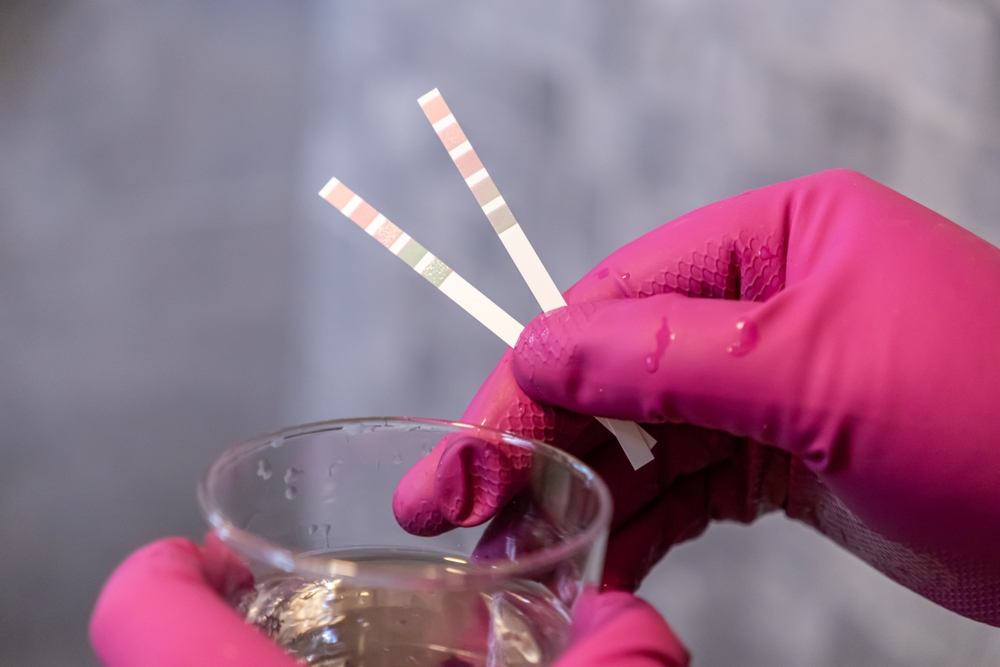
These everyday frustrations are hard to connect to a single source unless you know what to look for. For residents in Harlem, GA and surrounding communities in Columbia County, getting a professional water test is the fastest way to confirm whether hard water is behind the laundry, skin, and dish problems you have been dealing with.
What to Do Next: Water Softener Installation and Water Treatment Options
Once you have identified hard water as the problem, the solution is straightforward. The most effective way to address hard water is by installing a water conditioning system that treats your water before it enters your plumbing. Water softeners remove calcium, magnesium, and iron at the point where water enters your home.
Modern water treatment systems come in several varieties. Salt-based ion exchange softeners are the most widely used and work by swapping calcium and magnesium ions for sodium ions as water passes through a resin tank. Salt-free conditioners are an alternative for homeowners who prefer to avoid added sodium in their water. A licensed plumber familiar with local conditions in Harlem, GA and Columbia County can test your water hardness, walk you through your options, and recommend the right system for your household size and budget.
Professional water softener installation also ensures that the system is properly sized and integrated with your existing plumbing. An undersized unit will not fully address the problem, while an oversized one wastes salt and water during regeneration cycles. Getting the sizing right from the start is why working with an experienced local plumbing and water treatment professional matters.
Hard water does not usually cause a sudden failure; it creates patterns that repeat. Addressing these signs sooner rather than later can help slow mineral buildup and protect plumbing systems over time.
Your Water, Your Home: Take Action Before Damage Adds Up
The signs of hard water in your Harlem, GA home are easy to overlook individually, but when you see them together (the limescale on the faucets, the low water pressure, the dry skin, the cloudy dishes) they tell a clear story. Hard water solutions like professional water softener installation and whole-home water treatment protect your plumbing, extend the life of your appliances, reduce the need for plumbing repair, and improve the daily comfort of everyone in your household. Whether you are in Harlem, GA or elsewhere in Columbia County, reaching out to a local water treatment specialist for a water test is the best first step you can take today.
Need a Trusted Local Plumber Near You?
At Powell Plumbing, we take pride in being Harlem’s go-to plumbing team you can count on day or night. Whether it’s a burst pipe at 2 a.m., a stubborn drain clog, or installing a brand-new hot water heater, we’re here to deliver quality work with a personal touch. Led by Dylan Powell, our mission is simple: provide dependable service, build lasting relationships, and keep your home or business running smoothly. If you need a trusted plumber who will treat your property like our own, give us a call today; we’re ready to help 24/7!
If you live in Harlem, GA, you have probably noticed the telltale signs of hard water at some point. White crusty buildup around your faucets, soap that refuses to lather properly, and laundry that feels stiff even after a fresh wash are all common complaints from homeowners in this area. While these inconveniences might seem minor at first, hard water can quietly cause serious damage to your plumbing system over time. Knowing how to recognize the problem and what to do about it can save you hundreds, if not thousands, of dollars in repairs down the road.
Columbia County sits in a region where groundwater naturally picks up high concentrations of calcium and magnesium as it moves through rock and soil. This mineral-rich water flows right into your home and begins leaving deposits inside your pipes, appliances, and fixtures from the moment it enters. For homeowners in Harlem and the surrounding communities, understanding hard water is the first step toward protecting your investment.
What Hard Water Does to Your Plumbing System
The damage caused by hard water is gradual, which is part of what makes it so deceptive. Over weeks and months, mineral deposits known as scale begin to accumulate on the interior walls of your pipes. As this buildup thickens, the passageway for water narrows, leading to reduced water pressure throughout your home. You might first notice it in your shower, where the flow seems weaker than it used to be, or at the kitchen sink, where filling a pot takes longer than it should.
Beyond reduced pressure, scale buildup forces your plumbing system to work harder to move water from one place to another. This added strain increases wear on joints, valves, and seals, making leaks and bursts more likely over time. A qualified plumber in Harlem, GA can inspect your pipes for signs of scale accumulation and recommend the right course of action before the damage becomes severe.
Hard water solutions in Harlem are more accessible than many homeowners realize. Water softeners, which use a process called ion exchange to replace calcium and magnesium with sodium, are one of the most effective long-term solutions available. Whole-house filtration systems offer another layer of protection, addressing not just hardness but also other water quality concerns. Consulting with a plumber who understands the specific water conditions in Columbia County will help you choose the right system for your home.
The Impact on Your Water Heater
Your water heater is one of the appliances most vulnerable to hard water damage, and it is also one of the most expensive to replace. When hard water is heated, minerals precipitate out of the water and settle at the bottom of the tank. Over time, this sediment layer insulates the water from the heating element, forcing the unit to run longer and work harder to reach the desired temperature. The result is higher energy bills, inconsistent hot water, and a significantly shortened lifespan for the appliance.
Water heater repair in Columbia County is a common service call, and hard water is frequently the underlying culprit. Homeowners often report hearing popping or rumbling noises coming from their water heater, which is a sign that sediment has built up to the point where it is interfering with normal operation. Flushing the tank annually can help remove this buildup, but if the damage is already done, repair or replacement may be necessary.
Tankless water heaters are sometimes marketed as a solution to sediment problems, but they are not immune to hard water damage either. The heat exchanger in a tankless unit can become clogged with scale just like a traditional tank, leading to reduced efficiency and eventual failure. Whether you have a tank or tankless system, pairing your water heater with a water softener is the best way to extend its life and keep it running efficiently. If you are already dealing with performance issues, reaching out to a plumber in Harlem, GA for a professional assessment is the smart move.
Drain Cleaning and Hard Water Buildup
Most people associate clogged drains with hair, grease, and soap scum, and while those are certainly common causes, hard water plays a role here as well. Mineral deposits can build up on the interior of drain pipes just as they do in supply lines, gradually restricting flow and creating surfaces where other debris clings more easily. The combination of scale and organic material can produce stubborn clogs that resist standard plunging or store-bought drain cleaners.
Drain cleaning is an essential part of home maintenance for anyone dealing with hard water in Harlem. Professional drain cleaning goes beyond what consumer tools can accomplish. Hydro jetting, for example, uses high-pressure water to scour the inside of pipes, blasting away both mineral deposits and organic buildup in a single treatment. This method is far more thorough than chemical cleaners, which can sometimes damage pipes with repeated use.
Slow drains are easy to ignore, especially when they seem to be functioning well enough. But a drain that moves slowly today can become a fully blocked drain tomorrow, and backups in your kitchen or bathroom can lead to water damage that far exceeds the cost of a simple cleaning. Scheduling regular drain cleaning with a trusted plumber in Columbia County is one of the easiest ways to avoid emergency plumbing calls.
Hard Water Solutions for Harlem Homeowners
Addressing hard water in Harlem does not have to be complicated or prohibitively expensive. The key is identifying the right solution for your specific situation and having it installed correctly from the start. A whole-house water softener is generally the most comprehensive approach, treating all the water that enters your home before it ever reaches your pipes, appliances, or fixtures.
For homeowners who are concerned about sodium intake or prefer not to use a salt-based system, salt-free water conditioners are another option. These systems do not remove minerals from the water but instead change the structure of the minerals so they are less likely to adhere to surfaces. While they may not be as aggressive as traditional softeners, they can still provide meaningful protection for your plumbing.
Magnetic and electronic descalers represent a more affordable entry point for homeowners who want to experiment with hard water solutions without committing to a full softener installation. These devices attach to your pipes and use magnetic or electrical fields to alter mineral behavior. Results vary, and they work best as a supplemental measure rather than a standalone solution.
Whatever approach you choose, working with an experienced plumber in Harlem, GA ensures that your system is properly sized for your household’s water usage, correctly installed, and maintained over time. Poorly installed water treatment equipment can create its own set of problems, so professional guidance is always worthwhile.
Conclusion
Hard water is a fact of life for many homeowners in Harlem, GA and throughout Columbia County, but it does not have to mean damaged pipes, failing appliances, or frequent emergency repairs. By understanding how mineral buildup affects your plumbing system, investing in the right hard water solutions, staying on top of drain cleaning, and addressing water heater repair issues promptly, you can protect your home and avoid costly surprises. A reliable plumber in Harlem, GA is your best resource for navigating these challenges, offering the local knowledge and technical expertise needed to keep your plumbing in top condition for years to come.
Need a Trusted Local Plumber Near You?
At Powell Plumbing, we take pride in being Harlem’s go-to plumbing team you can count on day or night. Whether it’s a burst pipe at 2 a.m., a stubborn drain clog, or installing a brand-new hot water heater, we’re here to deliver quality work with a personal touch. Led by Dylan Powell, our mission is simple: provide dependable service, build lasting relationships, and keep your home or business running smoothly. If you need a trusted plumber who will treat your property like our own, give us a call today; we’re ready to help 24/7!
A main sewer line clog is one of the most serious plumbing problems a homeowner can face, and ignoring the early warning signs can turn a manageable repair into a full-blown plumbing disaster. The good news is that catching the problem early, with a professional plumbing inspection, can save you thousands of dollars and a whole lot of stress.
Here are five signs that point to a main line clog, and why Harlem homeowners should never put off calling for emergency service.
1. Multiple Drains Are Slow or Backing Up at the Same Time
One slow drain in your bathroom is usually not cause for panic. It might just be a localized clog caused by hair, soap scum, or debris. But when two or more drains in your home start backing up at the same time, that is a strong indicator that the problem is deeper in your plumbing system.
Your home’s individual drain lines all connect to the main sewer line, which carries waste out to the municipal sewer or your septic system. When that main line gets blocked, water and waste have nowhere to go. You might notice your kitchen sink draining slowly at the same time your bathtub is gurgling, or your laundry room floor drain is backing up while your toilet flushes sluggishly. These are classic clogged drain symptoms that should not be brushed off.
If you are experiencing multiple slow drains throughout your Harlem, GA home, do not wait. Contact a plumber for a professional plumbing inspection right away.
2. Toilets Are Gurgling or Making Unusual Noises
Toilets are often the first fixtures in a home to reveal a main line clog because they have the most direct connection to the sewer line. If your toilet gurgles after you flush, makes bubbling sounds when you run water elsewhere in the house, or seems to flush with less force than usual, pay attention.
These sounds happen because a blockage in the main line traps air in the pipes. As water tries to move through the system, it displaces that air, which escapes back up through your toilet or nearby drains. You might even notice the water level in your toilet bowl rising and falling on its own, which is a sure sign that something is very wrong further down the line.
Gurgling toilets combined with any of the other clogged drain symptoms on this list should be treated as a signal to call for emergency service. In Harlem, GA, where older neighborhoods can have aging sewer infrastructure, this kind of problem can escalate quickly.
3. Water Backs Up Into Other Fixtures When You Use Plumbing
This is one of the more alarming signs, and it is hard to miss. When you flush the toilet and water suddenly bubbles up into your bathtub, or when you run your washing machine and water rises in your kitchen sink, you are witnessing a textbook case of a main line obstruction.
This cross-fixture backup happens because the main line is so blocked that water cannot flow forward toward the sewer. Instead, it finds the path of least resistance and pushes back up through the nearest available drain. It is not just unpleasant, it is unsanitary. Sewage and wastewater can carry harmful bacteria and pathogens that pose a real health risk to your family.
Do not try to diagnose or fix this kind of problem with store-bought drain cleaners or a standard plunger. This situation calls for a licensed plumber with the tools and expertise to perform a full sewer line repair or cleaning. Homeowners in Harlem, GA should treat this symptom as a plumbing emergency and act accordingly.
4. You Notice Foul Odors Coming From Your Drains
Healthy drains do not smell. If you start noticing persistent sewage odors coming from your sinks, shower drains, or floor drains, something is seriously off. A properly functioning sewer line keeps waste and sewer gases moving away from your home. When the line is clogged, those gases have nowhere to go but back into your living space.
Sewer gas contains compounds like hydrogen sulfide and methane, which are not just unpleasant, they can be dangerous in high concentrations. If you smell something like rotten eggs or raw sewage anywhere inside your Harlem, GA home, do not assume it will go away on its own.
A professional plumbing inspection will help determine whether the odor is coming from a partial main line clog, a broken pipe, or a compromised sewer vent. Any of these issues requires prompt attention from a qualified plumber who can assess the situation and recommend the right course of action, whether that is a thorough cleaning, a sewer line repair, or a more involved fix.
5. Patches of Unusually Lush or Wet Grass in Your Yard
This sign is easy to overlook because it happens outside, away from your day-to-day routines. If you notice an area of your yard that looks greener than the rest, has soft or soggy ground even when it has not rained, or smells faintly of sewage, your underground sewer line may be leaking.
A main line clog that goes unaddressed long enough can cause pressure to build up inside the pipe. Over time, that pressure can lead to cracks, breaks, or joint separations in the line. When sewage starts leaking into the surrounding soil, it acts as a fertilizer, causing grass and vegetation to grow unusually fast and lush directly above the damaged pipe.
This is one of the most serious stages of a sewer problem, and it almost always requires professional sewer line repair. In Harlem, GA, homes with older clay or cast-iron sewer pipes are especially vulnerable to this kind of damage. Tree roots are another common culprit, as they naturally seek out water sources and can infiltrate and destroy sewer lines over time.
If you spot soggy or unusually green patches in your yard alongside any of the other symptoms mentioned here, call for emergency service immediately. The longer a damaged line is left unaddressed, the more costly and invasive the repair will become.
Why Harlem, GA Homeowners Should Never Delay
Every one of these signs points to a problem that gets worse with time. A partial clog can become a full blockage. A small crack can turn into a collapsed pipe. What starts as an inconvenient backup can end in raw sewage flooding your bathroom or yard.
Emergency plumbing situations have a way of happening at the worst possible times, which is exactly why having a trusted local plumber in Harlem, GA on speed dial is so important. When you call for a professional plumbing inspection at the first sign of trouble, you give yourself the best chance of catching the problem early, minimizing damage, and keeping repair costs manageable.
Sewer line repair is not a DIY project. It requires specialized equipment, proper training, and a thorough understanding of your home’s plumbing layout. Attempting to handle it yourself can make things worse or create new problems elsewhere in the system.
Conclusion
Your home’s sewer line is out of sight, but it should never be out of mind. If you are noticing any of these five warning signs, do not wait to see if the problem resolves on its own. Contact a licensed plumber in Harlem, GA for a professional plumbing inspection and get ahead of the issue before it turns into a full emergency. Fast action today can protect your home, your health, and your wallet for years to come.
Need a Trusted Local Plumber Near You?
At Powell Plumbing, we take pride in being Harlem’s go-to plumbing team you can count on day or night. Whether it’s a burst pipe at 2 a.m., a stubborn drain clog, or installing a brand-new hot water heater, we’re here to deliver quality work with a personal touch. Led by Dylan Powell, our mission is simple: provide dependable service, build lasting relationships, and keep your home or business running smoothly. If you need a trusted plumber who will treat your property like our own, give us a call today; we’re ready to help 24/7!
Living in Columbia County, Georgia, residents face a unique combination of challenges when it comes to home maintenance. The region’s hard water and the cold winters characteristic of Harlem, GA create conditions that can wreak havoc on residential plumbing systems. Understanding these challenges and taking proactive steps to protect your pipes and fixtures is essential for any homeowner in this area. Whether you need a plumber in Harlem, GA or are simply looking to prevent costly damage, this comprehensive guide will help you safeguard your home’s plumbing infrastructure.
Hard Water Issues in Columbia County
Hard water is one of the most persistent problems facing homeowners throughout Columbia County. This occurs when water contains high levels of dissolved minerals, particularly calcium and magnesium. The water in this region tends to have elevated mineral content due to the geological composition of the area. These minerals do not pose health risks to humans, but they create significant challenges for your plumbing system and appliances.
When hard water flows through your pipes, it leaves behind mineral deposits that accumulate over time. These deposits, known as limescale, build up on the interior walls of your pipes, reducing water flow and increasing pressure within the system. The buildup can eventually lead to corrosion and leaks if left unaddressed. Additionally, hard water reduces the effectiveness of soaps and detergents, increases energy costs for water heating, and shortens the lifespan of water heaters and other appliances.
The best solution for managing hard water is installing a water softening system. These systems work by removing the minerals responsible for hardness and replacing them with sodium ions. A quality water softener can dramatically improve water quality throughout your entire home, protecting your plumbing investment while also benefiting your skin, hair, and clothing. If you are unsure whether hard water is affecting your home, a local plumber in Harlem, GA can test your water and recommend appropriate solutions.
The Impact of Harlem Winters on Plumbing Systems
Harlem, GA experiences cold winters that present their own set of challenges for residential plumbing. When temperatures drop below freezing, water in exposed pipes can turn to ice, causing the water to expand. This expansion puts enormous pressure on pipes, often resulting in cracks and bursts. Frozen pipes are particularly problematic because they can go unnoticed until thawing begins and water starts leaking into walls, crawlspaces, and basements.
The most vulnerable pipes are those located in unheated areas such as attics, basements, garages, and exterior walls. Water supply lines that run along the outside of your home or through uninsulated spaces are at especially high risk. Prevention is far more cost effective than dealing with burst pipes, which can result in thousands of dollars in water damage and require extensive repairs.
To protect your plumbing during winter months, take steps to insulate exposed pipes using foam pipe sleeves or heat tape. Ensure that your home is adequately insulated, particularly in areas where pipes run through cold spaces. Allow faucets to drip slightly during freezing temperatures, as moving water is less likely to freeze than stagnant water. Open cabinet doors under sinks to allow warmer air to circulate around pipes. If you maintain a vacation home in the area or will be away during winter, consider draining your system or using antifreeze in drain lines. Professional plumbing services in Harlem, GA can help you winterize your system before cold weather arrives.
Combining Hard Water and Cold Weather Challenges
The combination of hard water and cold winters creates a particularly demanding environment for Columbia County plumbing systems. Hard water deposits accelerate the corrosion process in metal pipes, making them more susceptible to cracking when subjected to the stress of frozen water expansion. Homeowners dealing with both conditions need a comprehensive approach to plumbing maintenance and protection.
First, address hard water issues through water softening or other treatment methods. This reduces mineral buildup and slows corrosion in your pipes. Second, winterize your system thoroughly by insulating vulnerable pipes and preparing your home for temperature drops. Third, schedule regular inspections with qualified plumbing professionals who understand the specific challenges of your region. These specialists can identify potential problems before they become expensive emergencies and recommend preventative measures tailored to your home’s unique situation.
Consider upgrading older metal pipes to modern PVC or PEX materials that are more resistant to both hard water corrosion and freeze damage. While this represents a significant investment, it can save you money in the long run by eliminating recurring problems and extending the life of your plumbing system. A professional plumber in Harlem, GA can assess your current piping material and discuss whether replacement or upgraded protection makes sense for your situation.
Maintenance and Regular Inspections
Proactive maintenance is your best defense against plumbing problems in Columbia County. Schedule annual inspections with experienced plumbing services before winter arrives each year. These inspections should include checking for existing leaks, assessing the condition of pipes in vulnerable areas, testing water pressure and quality, and examining water heaters and other major appliances.
Regular maintenance also includes flushing your water heater to remove sediment buildup caused by hard water. This simple procedure, performed annually, can extend your water heater’s lifespan by years and improve its efficiency. Drain cleaning should be part of your routine maintenance as hard water minerals can accumulate in drains and cause slow drainage problems or complete blockages over time.
Keep an eye on water pressure throughout your home. Unusually high pressure can indicate mineral accumulation in pipes and should be addressed promptly. Install pressure regulators if needed to protect your system. Check under sinks and around water connections regularly for signs of slow leaks, which can be subtle but cause significant damage over time if ignored.
When to Call Professional Plumbing Services
While some maintenance tasks homeowners can handle themselves, many situations require professional expertise. If you notice changes in water pressure, discolored water, strange odors from faucets, slow drains that do not respond to standard treatments, or visible leaks, contact a plumber in Harlem, GA immediately. These signs often indicate problems that will worsen without professional intervention.
During winter, any signs of frozen pipes require immediate attention. If you suspect a frozen pipe, do not apply extreme heat sources that could damage the pipe. Instead, call professional plumbing services who have the proper equipment and expertise to safely thaw frozen pipes and assess any damage.
Professional plumbers can also help you choose the right water softening system for your home’s needs, install protective measures for vulnerable pipes, and provide guidance specific to Columbia County’s unique challenges. They understand local water quality issues and have experience with the problems most common in this region.
Conclusion
Protecting your home’s plumbing in Columbia County requires addressing both hard water issues and winter weather challenges. By understanding these challenges, investing in water treatment systems, winterizing your pipes, and scheduling regular professional maintenance, you can avoid costly emergency repairs and extend the life of your plumbing infrastructure. Whether you need immediate assistance or preventative services, reliable plumbing services are available to help residents of Harlem, GA and throughout the county maintain their homes effectively.
Need a Trusted Local Plumber Near You?
At Powell Plumbing, we take pride in being Harlem’s go-to plumbing team you can count on day or night. Whether it’s a burst pipe at 2 a.m., a stubborn drain clog, or installing a brand-new hot water heater, we’re here to deliver quality work with a personal touch. Led by Dylan Powell, our mission is simple: provide dependable service, build lasting relationships, and keep your home or business running smoothly. If you need a trusted plumber who will treat your property like our own, give us a call today; we’re ready to help 24/7!
If you own a home in Harlem, Georgia, you understand the importance of maintaining your property to preserve its value and ensure the comfort of your family. One of the most critical systems in any home is the plumbing infrastructure, yet many homeowners overlook warning signs that indicate a plumbing upgrade might be necessary. Recognizing these red flags early can save you thousands of dollars in water damage, emergency repairs, and potential health hazards. This comprehensive guide will help you identify the key indicators that your Harlem, GA plumbing system may need professional attention and upgrades.
Understanding Your Harlem Home’s Plumbing System
The plumbing system in your Harlem, Georgia home is a complex network of pipes, fixtures, and appliances that work together to deliver fresh water and remove wastewater. Most homes built before the year 2000 have outdated materials and designs that may not meet modern standards or withstand today’s water quality demands. A proper plumbing inspection by a licensed professional can reveal issues that aren’t visible to the untrained eye. Understanding the age of your home and the condition of your pipes is the first step toward determining whether you need a plumbing upgrade. Many homeowners in Harlem, GA discover that their plumbing systems are significantly older than they realized, especially if they purchased their home from a previous owner who never disclosed maintenance history.
Sign One: Persistent Leaks and Water Damage
One of the most obvious indicators that your Harlem home needs a plumbing upgrade is the presence of persistent leaks throughout your property. Small drips may seem insignificant, but they can waste thousands of gallons of water annually and indicate larger problems within your system. Look for water stains on ceilings, walls, and under sinks, as these visible signs often point to hidden leak detection issues that require professional attention. Water damage can compromise the structural integrity of your home and create environments where mold and mildew thrive, leading to serious health concerns for your family.
If you notice damp spots in your basement or crawlspace, reduced water pressure in certain areas of your home, or an unexplained increase in your water bill, these are strong indicators of leaks within your plumbing system. Many homeowners in Harlem, GA are shocked to discover they have been losing water through hidden pipe failures for months or even years. Professional leak detection services can locate these problems using specialized equipment that identifies water loss without requiring extensive excavation or wall removal. Once leaks are detected and documented, a comprehensive plumbing upgrade may be the most cost-effective solution rather than repeatedly patching individual problems.
Sign Two: Discolored Water and Pipe Corrosion
The quality of water flowing through your taps tells you a lot about the condition of your Harlem home’s plumbing system. If you notice rust-colored, brown, or yellow water coming from your faucets, this is a clear sign that your pipes are corroding from the inside. Corrosion occurs when pipes made of older materials, such as galvanized steel or outdated copper installations, break down over time and release sediment and particles into your water supply. This water discoloration not only looks unappetizing but can also affect the taste of your drinking water and stain your clothes during washing.
Beyond aesthetic concerns, corroded pipes pose serious health risks to your family. As pipes corrode, they develop small holes and weak points that allow contaminants to enter your water supply. A professional plumbing inspection in Harlem, GA can assess the extent of corrosion in your system and recommend whether patching individual sections or a complete system upgrade is the better investment. Modern PVC or PEX piping materials are more durable, resistant to corrosion, and can last fifty years or more, making them excellent choices for homeowners looking to upgrade their aging plumbing systems. Replacing corroded pipes is not just about improving water quality; it is about protecting your family’s health and ensuring reliable water delivery for decades to come.
Sign Three: Frequent Backups and Slow Drainage
If multiple drains in your Harlem, Georgia home are running slowly or backing up regularly, your plumbing system is sending you a warning signal that should not be ignored. Slow drainage throughout your home suggests problems deeper in your main sewer line rather than isolated drain issues. Tree roots, accumulated sediment, and structural damage to underground pipes are common culprits in Harlem, GA homes, particularly in older properties where pipes have been in the ground for many decades. These issues will not resolve themselves and typically worsen over time, eventually leading to complete system failure and potentially hazardous sewage backups into your home.
A plumbing inspection using video camera technology can show you exactly what is happening inside your main sewer line and help determine whether repair or replacement is necessary. Frequent backups indicate that your plumbing system has exceeded its functional capacity and needs upgrading to handle your household’s demands safely and effectively. Ignoring these warning signs can result in catastrophic failure, where sewage backs up into your home, causing significant property damage and creating serious health hazards. Investing in a plumbing upgrade when you first notice these problems is far more economical than waiting for a complete system failure.
Sign Four: Age-Related Deterioration and Material Failure
The age of your Harlem home’s plumbing system is perhaps the most reliable predictor of whether an upgrade is necessary. Homes built in the 1970s and 1980s often have polybutylene pipes, which were once considered a revolutionary advancement but are now known to be unreliable and prone to failure. Galvanized steel pipes, common in homes built before 1960, become increasingly brittle and corrosion-prone as they age, typically lasting only forty to fifty years before requiring replacement. If your home was constructed more than thirty years ago and has not undergone a plumbing system upgrade, the time is likely now to consider a comprehensive renovation.
A professional plumbing inspection in Harlem, GA can identify the specific materials used in your system and assess their remaining lifespan. Many homeowners are unaware that their insurance company may actually require system upgrades if certain outdated materials are identified during an inspection. Modern plumbing materials are more durable, more reliable, and often come with extended warranties that give homeowners peace of mind. Planning a plumbing upgrade while your current system is still functioning, rather than waiting for catastrophic failure, allows you to budget appropriately and avoid emergency repair expenses.
Sign Five: Noisy Pipes and Water Pressure Problems
Strange noises coming from your plumbing system, such as banging sounds when you turn off the water or loud knocking during water flow, indicate that your pipes are experiencing stress and may be failing. These sounds often result from water hammer, a condition where moving water suddenly stops and creates pressure waves that bang against pipes. While water hammer itself is not necessarily dangerous, it indicates that your pipes may be old, loose, or improperly supported, all of which are reasons to consider a plumbing upgrade.
Additionally, if you experience inconsistent water pressure, where some fixtures have strong flow while others produce only a trickle, your plumbing system may be unable to meet your household’s demands. Buildup inside old pipes reduces their internal diameter and restricts water flow, creating pressure problems that become worse over time. Low water pressure affects your ability to shower comfortably, run multiple fixtures simultaneously, and operate modern appliances that require adequate water delivery. A plumbing upgrade using modern pipes with full interior diameters will restore adequate water pressure and eliminate the frustrating limitations you experience with an aging system.
Conclusion
Recognizing the signs that your Harlem, Georgia home needs a plumbing upgrade is crucial for protecting your property investment and ensuring your family’s safety and comfort. Whether you are dealing with persistent leaks, water discoloration, drainage problems, aging materials, or pressure issues, professional assessment through a comprehensive plumbing inspection is your first step. Addressing these problems proactively rather than waiting for failure will save you money, stress, and potential damage to your home.
Need a Trusted Local Plumber Near You?
At Powell Plumbing, we take pride in being Harlem’s go-to plumbing team you can count on day or night. Whether it’s a burst pipe at 2 a.m., a stubborn drain clog, or installing a brand-new hot water heater, we’re here to deliver quality work with a personal touch. Led by Dylan Powell, our mission is simple: provide dependable service, build lasting relationships, and keep your home or business running smoothly. If you need a trusted plumber who will treat your property like our own, give us a call today; we’re ready to help 24/7!